

The FYI’s of Travelling to South Africa
Travelling to South Africa, whether it is your first visit or your tenth, comes with a few essential things to know. Below, you will find key information sourced from local experts and the South African Department of Home Affairs. This guide covers visa requirements, customs and border control, safety considerations, and other practical travel tips. Our local insights are specifically tailored to visitors spending time in Cape Town.
Information for all Of South Africa
Travel Documents: What Do I Need?
When travelling to South Africa, you will need the correct documentation to ensure a smooth entry. The key requirements include:
- Passport: Must have at least two blank pages for entry and exit visa stamps and be valid for a minimum of 30 days after your intended departure date. It must also be machine-readable.
- Return airline ticket: You must have a valid ticket showing your departure from South Africa.
- Health documentation: Requirements depend on your country of departure. If you are arriving from a country identified as a yellow fever transmission risk, you must present a valid yellow fever vaccination certificate.
Which Passports Can Enter South Africa Without a Visa?
Visa requirements for South Africa depend on the country that issued your passport. Key points include:
- Visa-free travel: Citizens of certain countries can stay in South Africa without a visa for 30 or 90 days.
- Visa required: Some travellers must obtain a visa before entering South Africa. You can check the specific requirements for your passport on the Department of Home Affairs website.
- Visa application: If a visa is required, apply at the nearest South African embassy, mission, or consulate in your country. Ensure you have a valid passport and proof of your residential address in South Africa.
Customs Guidelines: The Do's and Don'ts
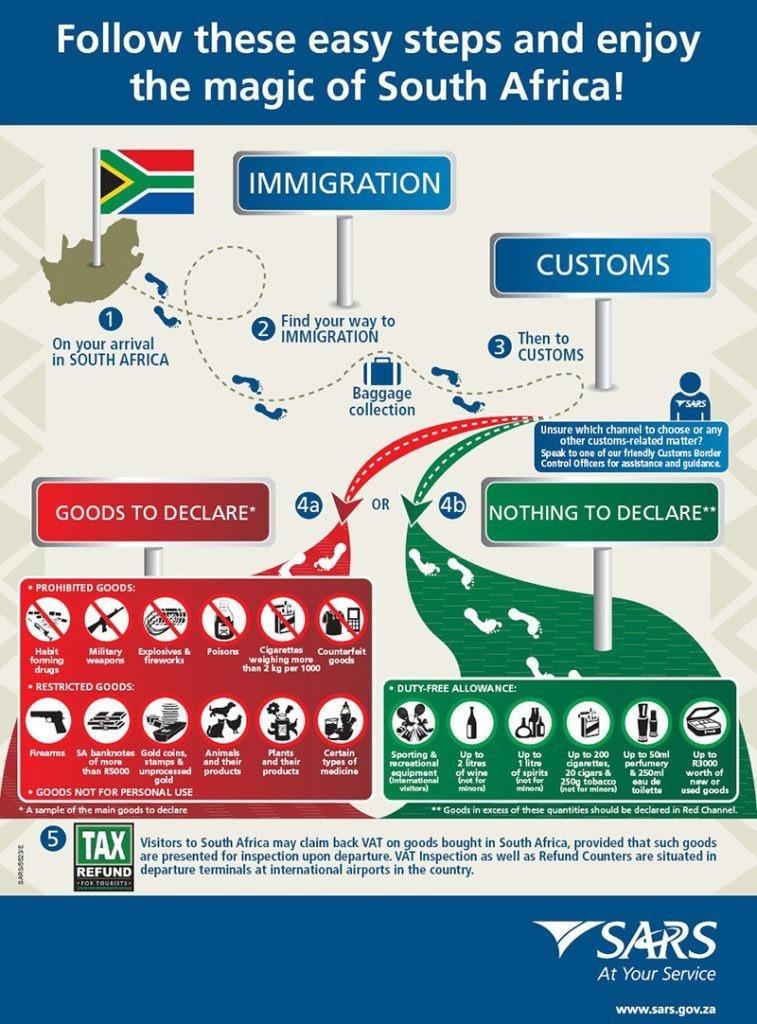
When entering South Africa, travellers must follow border control and customs regulations. Key points include:
- Customs declarations: Declare items such as large sums of cash, certain foods, plants, and high-value goods. Failure to declare may result in fines or confiscation.
- Prohibited items: Weapons, certain medications, and some animal products are restricted. Check the South African Customs website for a full list.
- Duty-free allowances: Travellers may bring limited amounts of alcohol, tobacco, and gifts without paying duty. Exceeding these limits requires declaration and payment of applicable duties.
Do I Need Travel Insurance to Visit South Africa?
While travel insurance is not mandatory, it is strongly recommended to protect yourself against unforeseen events during your trip. Key points include:
- Trip insurance: Covers costs related to trip cancellations or interruptions, such as pre-paid flights, safari packages, or domestic tours.
- Travel medical insurance: Provides short-term health coverage for medical emergencies, hospitalisation, and other healthcare needs while abroad.
- Peace of mind: Having travel insurance ensures financial protection and support in case of unexpected situations during your stay in South Africa.
- Recommended provider: We often refer clients to Santam Travel Insurance for reliable coverage and support.
Do I Need a Power Converter or Adapter in South Africa?
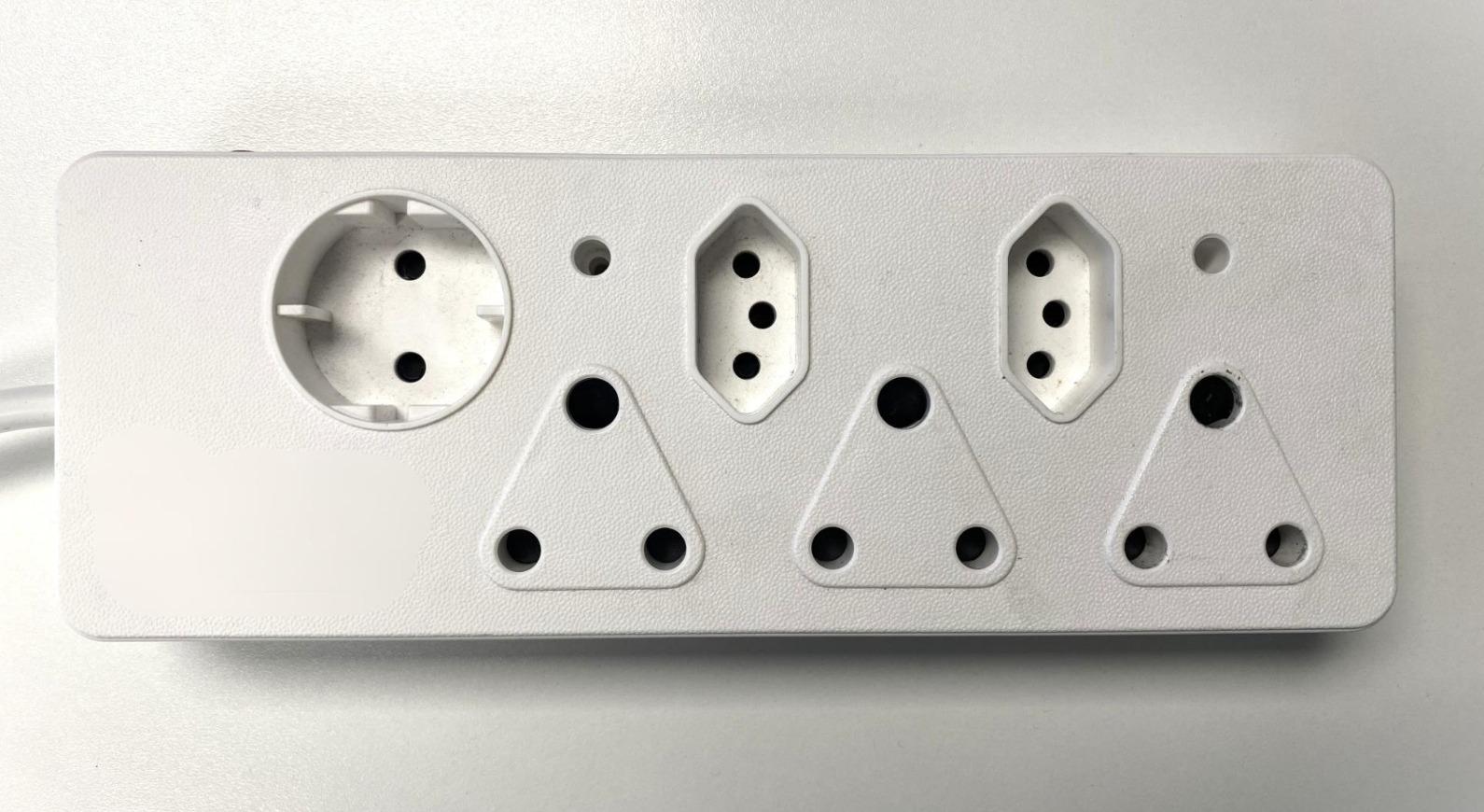
South Africa uses two types of electrical plug points: a thick, round three-prong plug and a thin, round twin-prong plug.
- Adapters: We recommend bringing a worldwide adapter, which is widely available in airports and stores across South Africa.
- Voltage: The standard voltage is 220–230 volts AC at 50 Hz. If your devices require a different voltage, bring a converter or purchase one locally.
- Guest support: At Nox Rentals, we can provide adaptors to our guests if needed.
What Vaccinations Do I Need Before Travelling to South Africa?
South Africa does not require any vaccinations for entry, except for travellers arriving from yellow fever endemic areas (the yellow fever belt of Africa or South America). In that case, a valid yellow fever vaccination certificate is required.
- Yellow fever: The certificate becomes valid 10 days after vaccination and remains valid for 10 years. Vaccination should ideally be done 4–6 weeks before travel.
- Hepatitis B: Recommended for children up to 12 years old who have not completed the full vaccination series as infants.
- Other vaccinations: Routine adult vaccinations are generally not required unless advised by your doctor or travel health professional.
How Can I Access Mobile Service and Internet in South Africa?
Visitors to South Africa have multiple options for staying connected during their trip:
- Local SIM cards: You can purchase a South African SIM card at airports or local mobile shops. Be sure to have your passport and proof of address for your stay.
- Roaming: If you prefer to use your home provider, you can activate international roaming. Keep in mind that roaming often incurs higher rates and additional charges.
- Service providers: South Africa has several local mobile service providers offering prepaid and postpaid plans suitable for short-term visitors.
- Guest Wi-Fi: As one of our many services, Nox Rentals offers Wi-Fi to all our guests staying in our properties.
Should I Use Credit Cards, Cash, or Traveller's Cheques in South Africa?
Managing money in South Africa is easy with multiple options for payments and cash access:
- Credit cards: Most international credit cards are widely accepted at businesses, restaurants, and larger stores.
- Cash and ATMs: ATMs are available throughout South Africa for cash withdrawals. Check your bank's service charges before withdrawing.
- Currency exchange: Bureau de Change facilities are located in major malls and airports. You will need to provide your passport, proof of address in South Africa, and a return ticket to complete any exchanges.
- Traveller's cheques: These are less commonly used, but can still be exchanged at banks if needed.
What Languages Are Spoken in South Africa?
South Africa is a culturally diverse country with 11 official languages, including Zulu, Xhosa, Afrikaans, and English. While English is widely understood, especially in urban areas, learning a few basic phrases in local languages can enrich your travel experience and help you connect with South Africans.
- Local phrases: Simple greetings or common expressions in Xhosa, Zulu, or Afrikaans are easy to learn and appreciated by locals. For practical tips, visit the Pink Pangea website.
- Time-related expressions: South Africans often use informal terms to describe time or schedules. The Good Things Guy blog provides a helpful guide to understanding these expressions.
- Cultural insight: Using a few words in local languages demonstrates respect for the culture and can make interactions in shops, restaurants, and communities more enjoyable.
What Local Customs Should I Know When Visiting South Africa?
South Africa has several local customs that may be different from what you are used to. Understanding these can make your visit smoother and more enjoyable.
- Tipping in restaurants: It is customary to tip waitstaff. The standard tip is around 10%, though you can give more if you wish. Some restaurants automatically add a 10% service charge, especially for large groups, so check your bill. Uber also provides an option for tipping drivers.
- Car guards: South Africa has car guards who help watch over parked vehicles and may assist with carrying shopping or opening car doors. A small tip of about R2 is customary, or R5 for longer stays. Some car guards may also accept leftover meals. Tipping is optional and at your discretion.
- Petrol station attendants: Unlike in many countries where you fill your own tank, South African petrol attendants will fill your car, wash windows, and check oil and tyre levels. A tip of around R5 is customary but optional.

Information Specific to Cape Town
Where Should You Stay in Cape Town?
Cape Town's Atlantic Seaboard is one of the most desirable areas for visitors, and Nox Rentals offers a wide range of villas and apartments throughout Camps Bay, Sea Point and the City Bowl. With properties ranging from 1 to 10 bedrooms, there are options for every type of traveller, whether you're seeking something family-friendly, budget-conscious or a high-end luxury stay.
Our team can help you find the ideal home from home for your Cape Town holiday. If you'd like to enquire about any of our rentals, please contact our reservations team at [email protected]



What Are the Best Ways to Get Around Cape Town?
Cape Town offers several convenient and reliable ways to get around. Two of the most popular options, both safe and budget-friendly, are Uber and the MyCiti bus service, which together can take you to almost any major point in the city.
How Can I Stay Safe While Visiting Cape Town?
Cape Town is generally a safe city for visitors, but as with any major city, it's important to stay aware of your surroundings and take basic precautions.
- Walking at night: Avoid walking alone after dark, especially in unfamiliar areas.
- Lifts and transport: Do not accept rides from strangers. Use reputable taxi services, ride-hailing apps like Uber, or organised transport.
- Personal belongings: Keep bags and valuables close to your body, and use front pockets where possible. Avoid displaying expensive jewellery or electronics.
- Public transport: Be alert when using buses or trains and keep your belongings secure.
- Accommodations: Always lock doors and windows, and use hotel safes for passports, cash, and valuables.
- Emergency contacts: Save local emergency numbers, including the police (10111), medical services, and your accommodation's contact information.
Visiting South Africa, and Cape Town in particular, is an unforgettable experience. By preparing the right documents, understanding local customs, staying safe, and knowing your travel options, you can make the most of your trip.
Whether you're exploring vibrant cities, stunning coastlines, or cultural landmarks, careful planning ensures a smooth and enjoyable visit. For the perfect stay along the Atlantic Seaboard, Nox Rentals offers a range of villas and apartments to suit every traveller.
Frequently Asked Questions (FAQ) – Travelling to South Africa
Do I need a visa to visit South Africa?
Visa requirements depend on your nationality. Some travellers can enter visa-free for a short stay, while others must obtain a visa in advance. Always check current regulations before travelling.
What documents and identification should I carry?
A valid passport and return or onward ticket are essential. Additional documents, such as vaccination certificates or proof of accommodation, may be required depending on your travel plans.
Is South Africa safe for tourists?
South Africa is generally safe, especially in urban and tourist areas. Standard precautions, staying aware of surroundings, securing valuables, and avoiding isolated areas at night, are recommended.
How should I handle money in South Africa?
Credit cards are widely accepted, and ATMs are common. It's useful to carry some cash for smaller transactions, tips, or rural areas. Currency exchange bureaus are available at airports and major malls.
Do I need travel insurance?
While not mandatory, travel insurance is highly recommended. It covers medical emergencies, trip cancellations, lost luggage, and other unexpected events.
What vaccinations or health precautions do I need?
No vaccinations are required except for travellers from yellow fever endemic areas. Routine or recommended vaccinations, such as Hepatitis B for children, may be advisable.
How can I stay connected to the internet and mobile networks?
Local SIM cards and prepaid mobile data plans are widely available. Wi-Fi is offered at most accommodations and public spaces. Roaming is possible but can be costly. Nox Rentals provides Wi-Fi for all guests staying in our properties.
What languages are commonly spoken?
South Africa has 11 official languages. English is widely spoken, while Zulu, Xhosa, and Afrikaans are also common. Learning a few basic phrases can improve your travel experience.
What local customs should I be aware of?
Tipping is customary in restaurants, for car guards, and at petrol stations. Politeness and respect for local etiquette are appreciated and can enhance interactions.
How can I get around cities like Cape Town?
Ride-hailing apps, public buses, and car hire are common options. Guided tours are ideal for exploring further afield. Always follow basic safety precautions.
How can I stay safe as a tourist?
Remain aware of your surroundings, secure your belongings, avoid walking alone at night, and keep emergency contacts handy.
Where should I stay in Cape Town?
There are a wide variety of accommodation options along the Atlantic Seaboard to suit families, budget travellers, and luxury seekers. Nox Rentals offers villas and apartments in key areas.
Are there any local laws or restrictions I should be aware of?
Certain items, such as weapons and some medications, are prohibited. Always follow customs rules and local laws to avoid fines or confiscation.
Can I drink tap water safely?
Tap water is generally safe to drink in major urban areas. In rural regions, bottled water may be advisable.
How do I stay safe when enjoying outdoor activities?
For hiking, safari tours, or beach visits, follow local guidance, stick to marked trails, use licensed operators, and respect wildlife and environmental regulations.
What are the best times to visit South Africa?
South Africa has varying climates. Summer months (November–February) are ideal for coastal and city tourism, while winter (May–August) is better for safaris in the north.
Are there cultural events or festivals I should plan for?
South Africa hosts a rich calendar of music, food, and cultural festivals year-round. Checking local event listings can help enhance your visit.