
.jpg)
Day trip to the Cape Peninsula
Cape Town's urban beaches are world-class, but the true magic of the Western Cape lies just beyond the city limits. A day trip around the Cape Peninsula offers a journey through the Table Mountain National Park, encompassing dramatic cliffs, hidden coves, and the legendary meeting point of two oceans.
From the southwestern tip of Africa to the charming naval villages of False Bay, here is how to experience the best of the Peninsula.
Planning Your Journey: Self-Drive vs. Guided Tour
The first step is deciding how to navigate the 100km+ loop.
- Self-Drive: Renting a car offers maximum flexibility. You can linger at a viewpoint or skip a stop if you prefer. Note that the Atlantic Seaboard drive is breathtaking, so the driver must stay focused despite the distracting views!
- Guided Tours: If you want to sit back and soak in the scenery, a private or group tour is ideal. Many tours include historical insights and pre-arranged tickets for major attractions.
Pro Tip: Start your journey early (around 8:00 AM) to beat the tour buses to Cape Point and Boulders Beach.
The Atlantic Seaboard
Known as Cape Town's "Riviera," the Atlantic Seaboard is a stretch of coastline where the slopes of the Twelve Apostles meet the turquoise waters of the Atlantic. Extending from the V&A Waterfront to the secluded cove of Llandudno, this scenic route connects a string of affluent suburbs, including the Sea Point Promenade, the world-famous white sands of Clifton, and the palm-fringed glamour of Camps Bay.
Llandudno
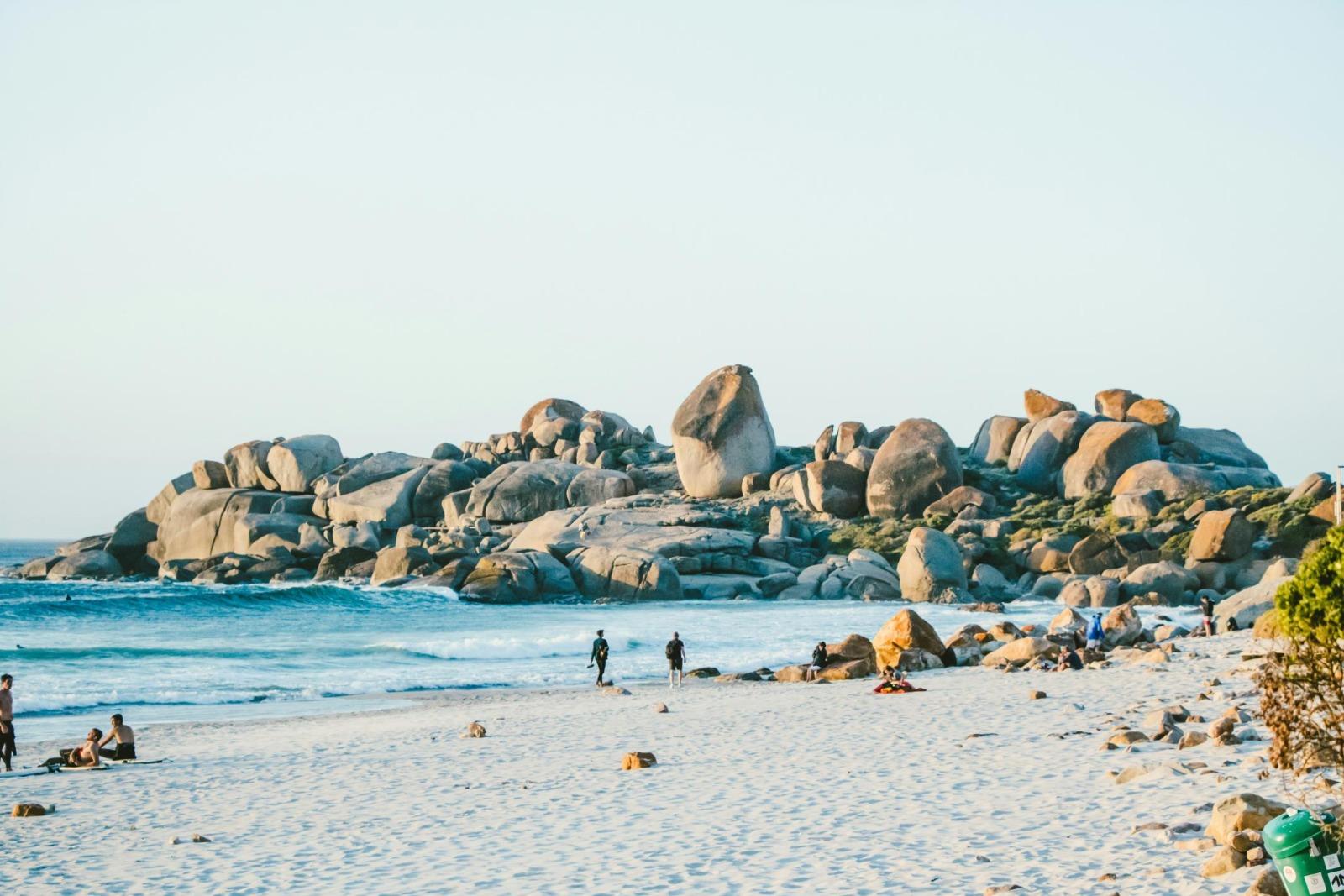
Nestled against rugged granite cliffs, Llandudno is one of Cape Town's most exclusive suburbs. There are no shops or streetlights here - only a pristine, peaceful cove. It is a fantastic spot for a morning stroll on the sand before the crowds arrive. Llandudno beach, known for its soft white sand, turquoise waters, and dramatic mountain backdrop, is one of Cape Town's most picturesque and peaceful beaches.
The beach's enormous granite boulders shelter it from most winds, creating a calm and rarely crowded environment. This hidden gem is perfect for sunbathing, picnics, sundowners, surfing, bodyboarding, beach games, and dog walking. Walking along the northern boulders provides spectacular views, while the opposite side leads past Sunset Rocks and the wreck of the Romelia towards Sandy Bay, the nearby nudist beach.
Hout Bay
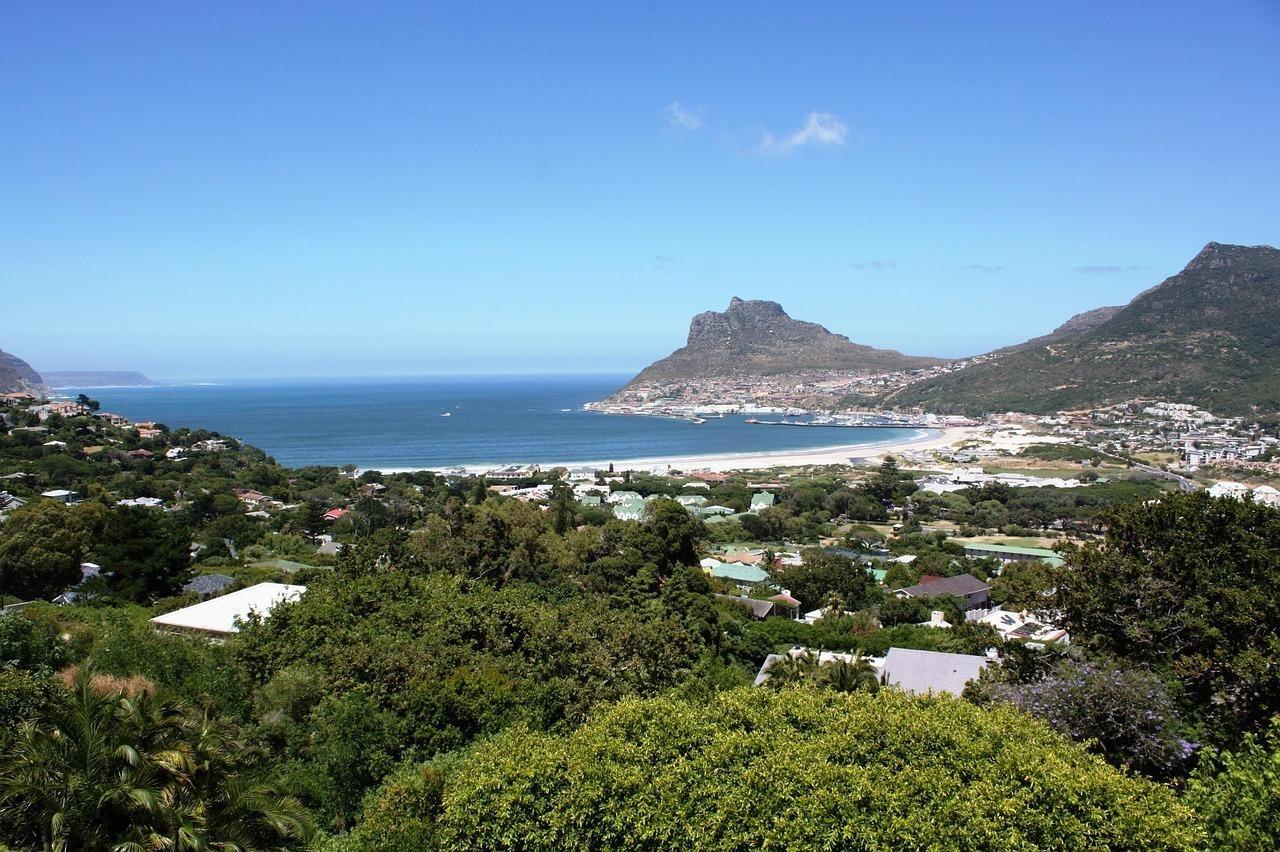
Hout Bay is a coastal village and working harbour located between the Atlantic Seaboard and Chapman's Peak Drive. The area takes its name from the Dutch word for wood (hout), a reference to the forests encountered by early settlers in the 17th century. The village features a variety of seafood restaurants and the weekend Bay Harbour Market. Named for the timber once harvested from its ravines, the area remains a primary hub for local fishing and coastal tourism.
- Must-Do: Take a guided kayaking tour from the harbour to see seals and seabirds.
- Weekend Visit: The Hout Bay Harbour Market offers live music and local crafts.
- Local Culture: For those seeking a deeper look into South African life, reputable township tours of Imizamo Yethu are available.
The harbour and beachfront are great for dining and shopping. Fresh seafood is available at local restaurants and Mariner's Wharf, while the Bay Harbour Market offers local crafts and snacks.
Chapman's Peak Drive
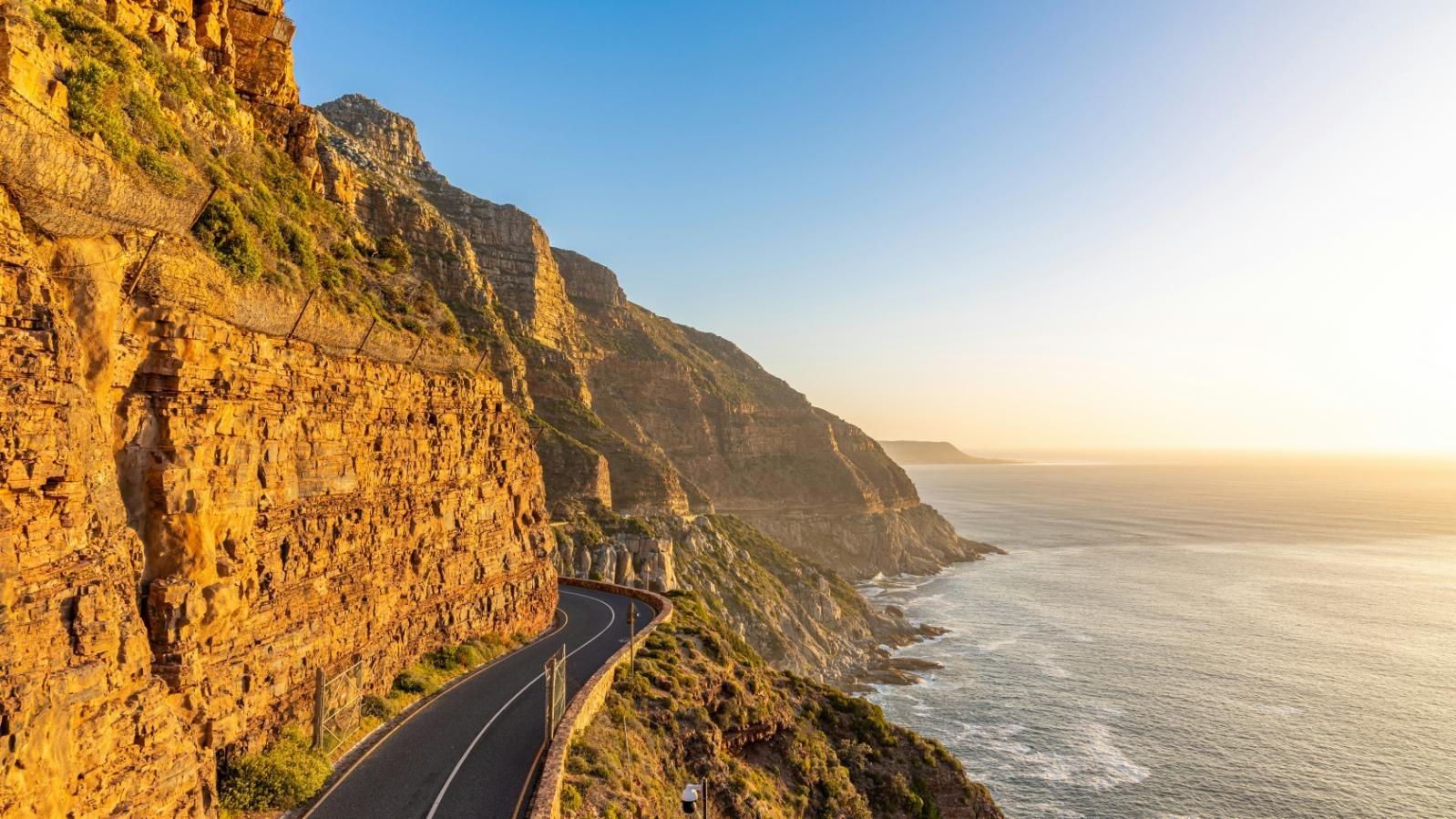
Locally known as "Chappies," this 9km mountain pass is widely considered one of the most spectacular coastal roads in the world. With 114 curves carved into the cliffside, it offers panoramic viewpoints over the Atlantic.
Note: This is a toll road and may be closed during high winds or heavy rain for safety. The toll plaza has transitioned to contactless payments. Ensure your card is tap-enabled or use mobile wallets like Apple Pay, Samsung Pay, or Google Pay. Cash is still accepted, but magnetic stripe "swipe" cards are no longer supported.
Picnic and Sunset Spots
There are over 60 picnic tables and 45 designated picnic areas scattered along the route, primarily on the Hout Bay side.
- The Best Picnic Benches: Most spots offer stone tables and benches looking directly over the crashing waves. Look for the parking bays between the toll plaza and the highest viewpoint.
- The Old East Fort: For a unique sunset experience, stop at the car park near the Hout Bay side and take the short 2-minute walk up to the ruins of the Old East Fort. It offers a sheltered spot with magnificent views over the bay - perfect for a "Sundowner" picnic.
- Whale Watching: If you are visiting between July and November, these picnic spots become prime vantage points for spotting Southern Right Whales.
The Deep South & Cape Point
The Deep South is the more remote section of the Cape Peninsula, where the landscape becomes more rugged, and the pace of life slows. This region includes villages such as Noordhoek and Scarborough, which are popular with artists and surfers for their quiet, rural atmosphere. At the end of the peninsula lies the Cape Point Nature Reserve, a protected area of fynbos and cliffs within the Table Mountain National Park. It marks the south-western tip of the African continent and offers views of the meeting point between the Atlantic and Indian Oceans.
Noordhoek & Scarborough
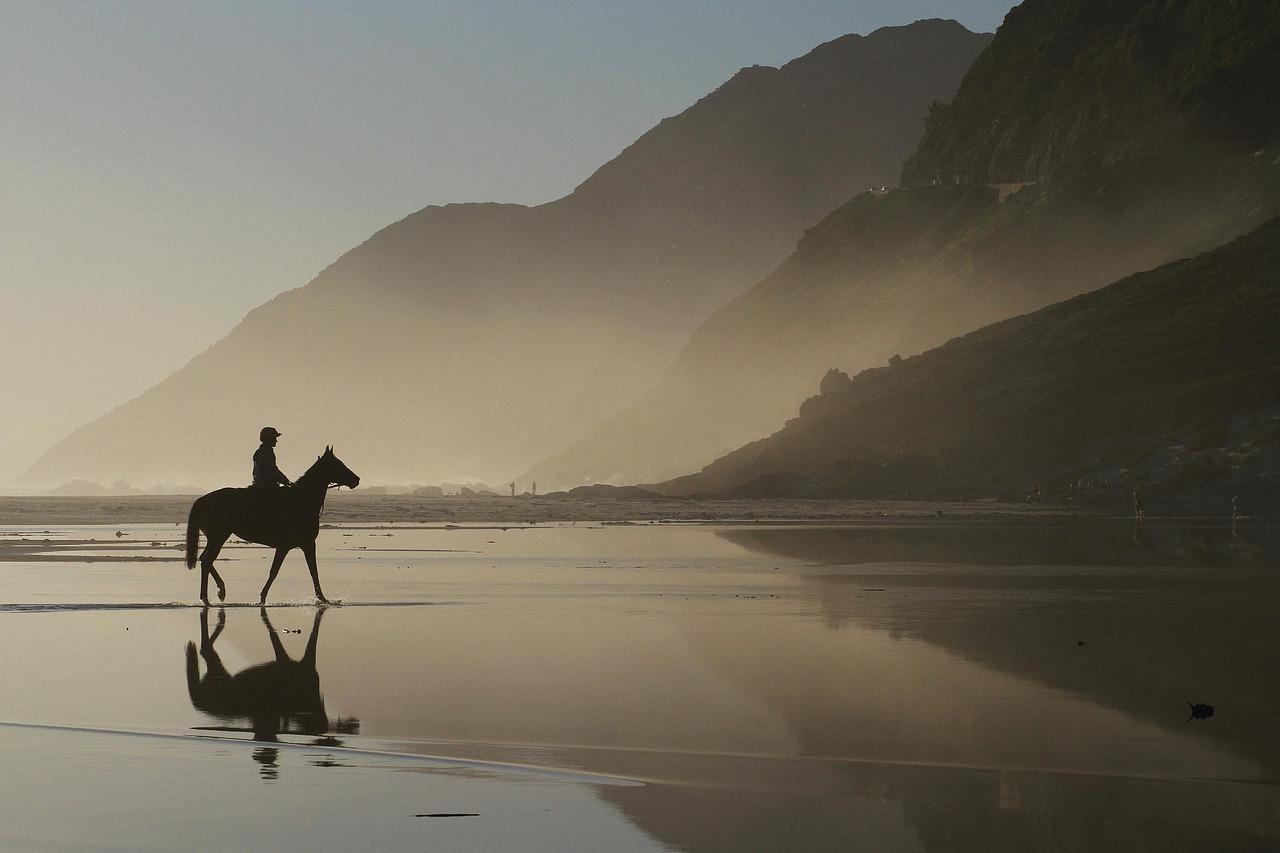
Noordhoek features Long Beach, a stunning 7km stretch of white sand popular with horse riders. Visit the Noordhoek Farm Village for artisan coffee or a deli lunch. Further south lies Scarborough, a conservation-minded seaside village perfect for a quiet pitstop on the way to the reserve.
- Wine Tasting: Stop at Cape Point Vineyards in Noordhoek; the cool sea breezes produce world-class Sauvignon Blanc.
Cape Point & The Cape of Good Hope
The Cape of Good Hope section of the Table Mountain National Park is a vast, 7,750-hectare wilderness at the edge of the world. While many use the names interchangeably, Cape Point and the Cape of Good Hope are two distinct landmarks within the same reserve.
- The Flying Dutchman Funicular: For a swift ascent, ride the Flying Dutchman Funicular from the main car park to the upper lighthouse station
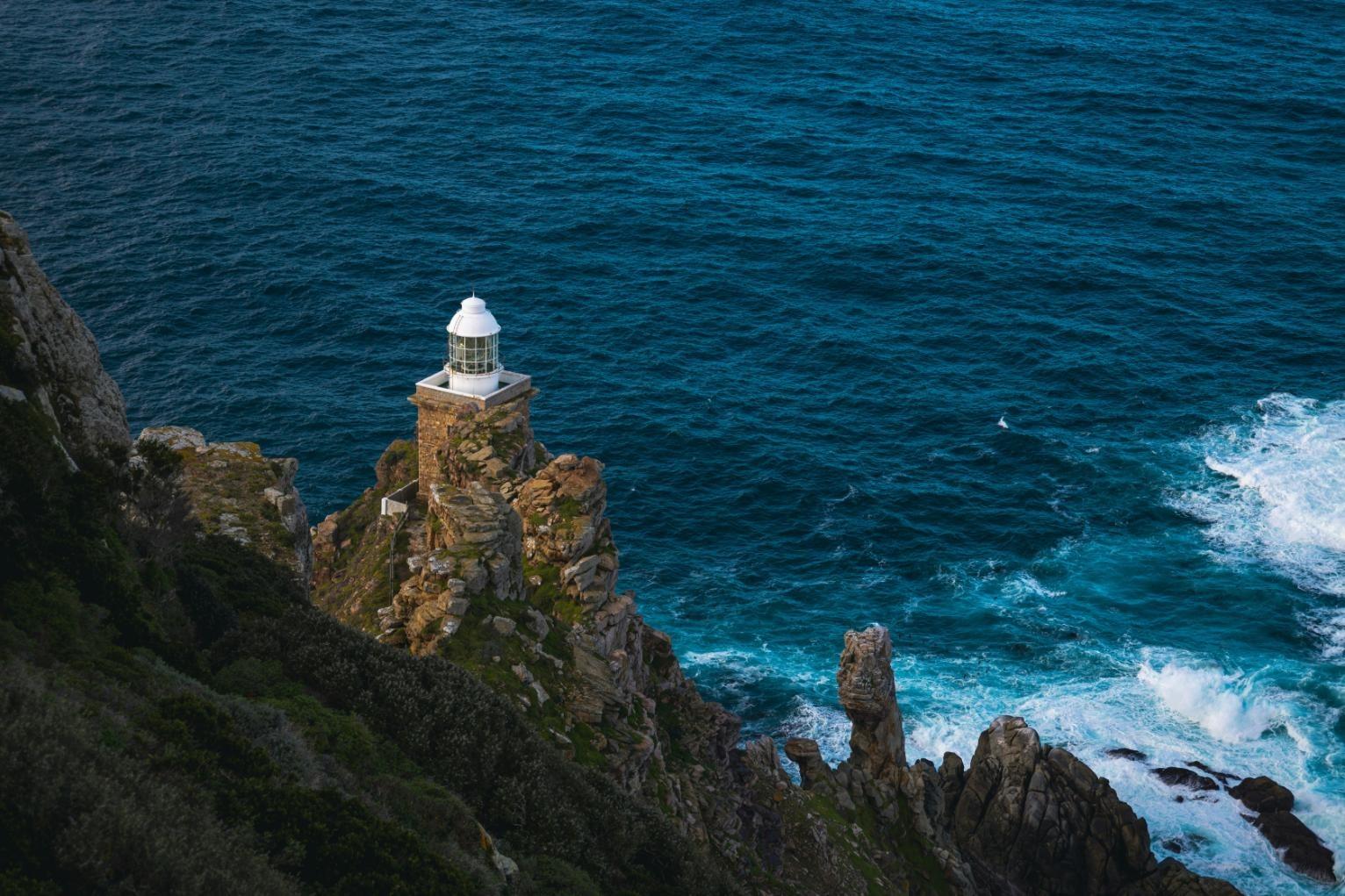
- Two Lighthouses: The "Old" upper lighthouse was built in 1859 but was often shrouded in fog, leading to the construction of a lower, more powerful "New" lighthouse in 1914. You can walk the Lighthouse Keeper's Trail to see both.
The Cape of Good Hope: The "End of Africa"
Located about 2km west of Cape Point, this is the most south-western point of the African continent.
- The Iconic Sign: No trip is complete without a photo behind the famous wooden signboard marking the geographical coordinates.
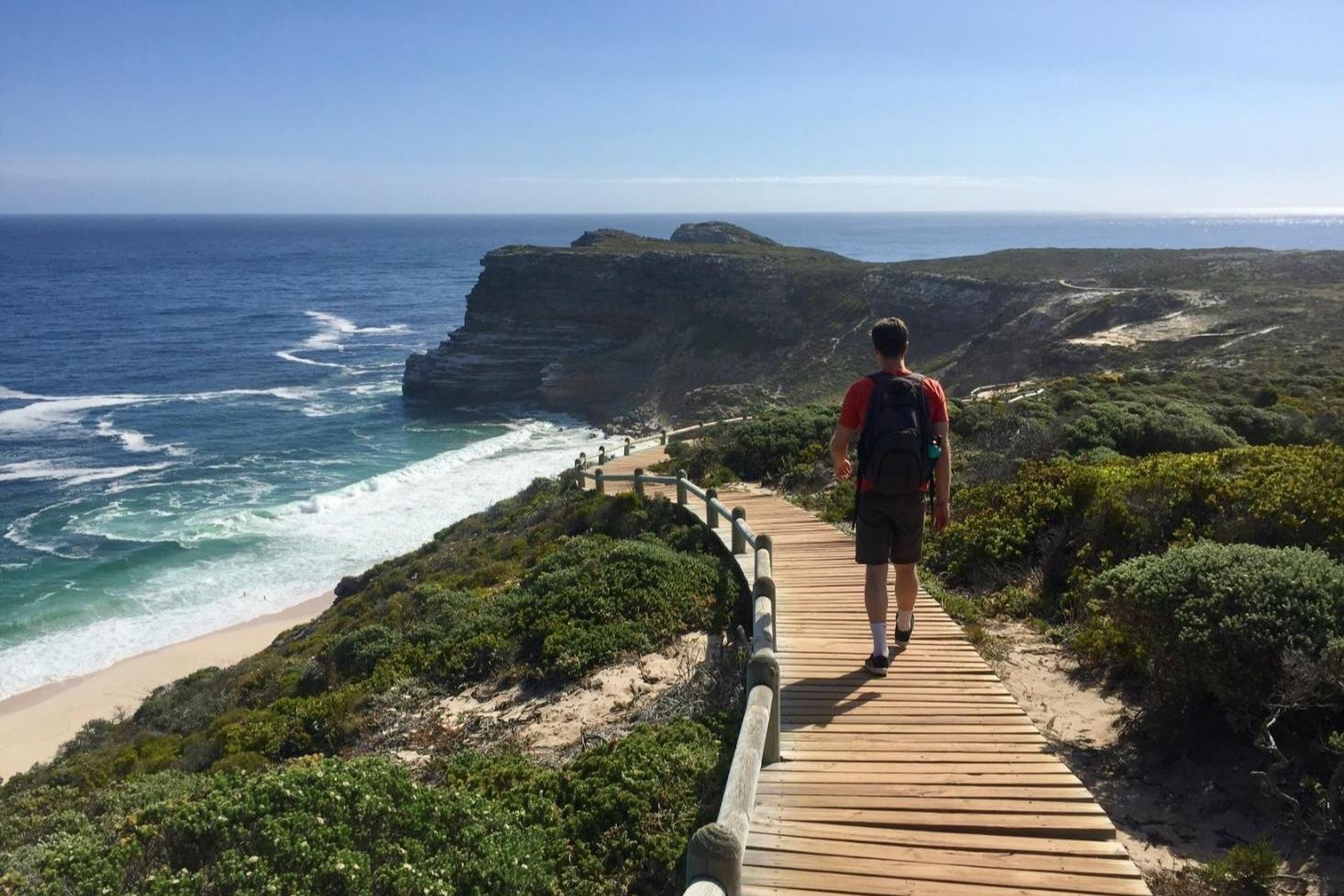
- The Coastal Hike: A moderate, scenic wooden boardwalk connects Cape Point to the Cape of Good Hope. It takes roughly 45 minutes to an hour and offers some of the best whale-watching vantage points in spring.
- Diaz Beach: For the adventurous, a steep wooden staircase from the path leads down to Diaz Beach. This wild, secluded beach is framed by 200-metre cliffs and is often completely deserted.
Note on Wildlife: The reserve is home to Chacma baboons. While they are fascinating to watch, please keep all food out of sight and windows rolled up - they are experts at "unpuzzling" car door handles!
The False Bay Coast & Penguin Colonies
The False Bay Coast runs along the eastern side of the Peninsula, where the water is notably warmer than the Atlantic. This stretch includes Simon's Town, a historic naval base, and Boulders Beach, which houses a colony of African Penguins. These birds can be observed from designated boardwalks within the protected area. The route continues through Kalk Bay, a working fishing harbour with local markets, and ends at Muizenberg, a surfing beach known for its wooden huts. The coastline is defined by its tidal pools, stone architecture, and views across the bay.
Boulders Beach
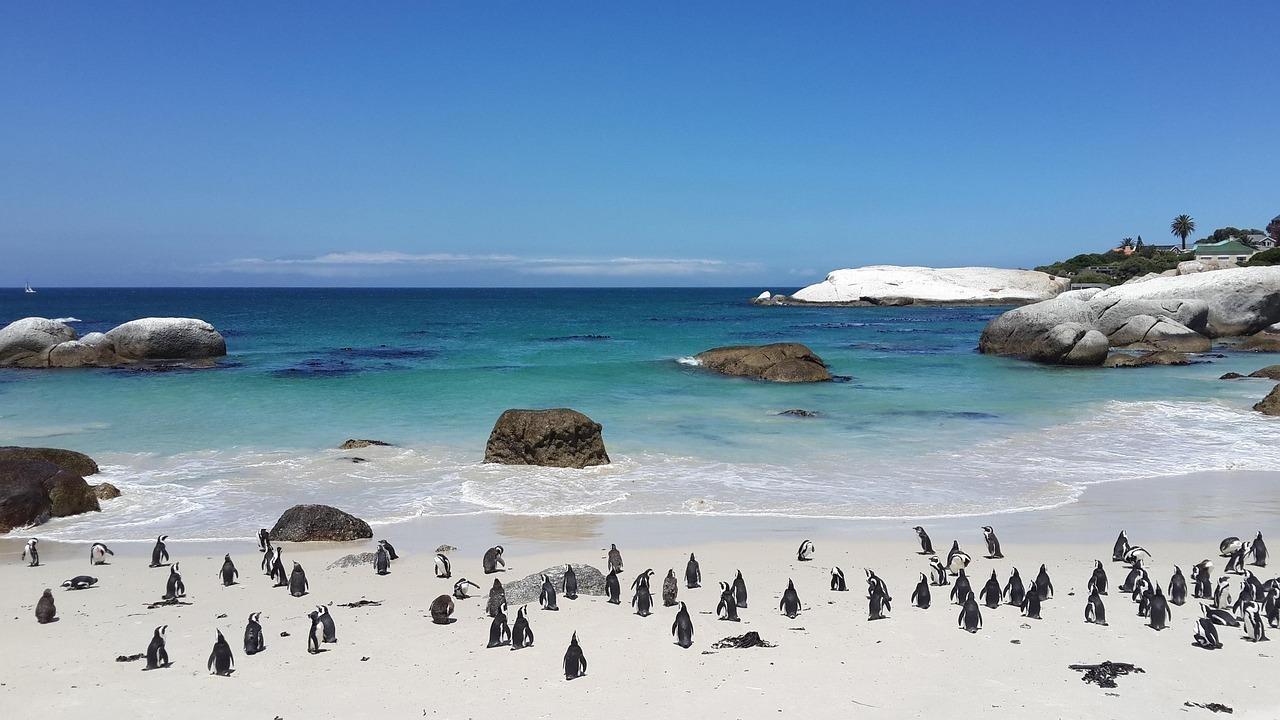
Boulders Beach is a sheltered cove located between Simon's Town and Cape Point, famous for its thriving colony of African Penguins and wind-protected beaches. Nestled within a residential area, the beach offers spots for sunbathing as well as a protected viewing area, Foxy Beach, where visitors can observe the penguins up close. A wooden boardwalk allows you to walk above the penguin colony safely, giving excellent views of both the penguins and the local dassies in their natural habitat. Swimmers at Boulders may even spot penguins floating nearby, unbothered by human presence, which is a truly unique and fascinating experience.
The Boulders Penguin Colony is home to a rare, endangered land-based colony of African Penguins, making it one of only a few sites of its kind worldwide. The beach is particularly family-friendly, as the enormous boulders shelter the cove from currents, strong winds, and large waves. However, visitors should never touch or feed the penguins. Their beaks are sharp, and they will defend themselves if they feel threatened. A conservation fee applies, so remember to bring some cash.
Simon's Town
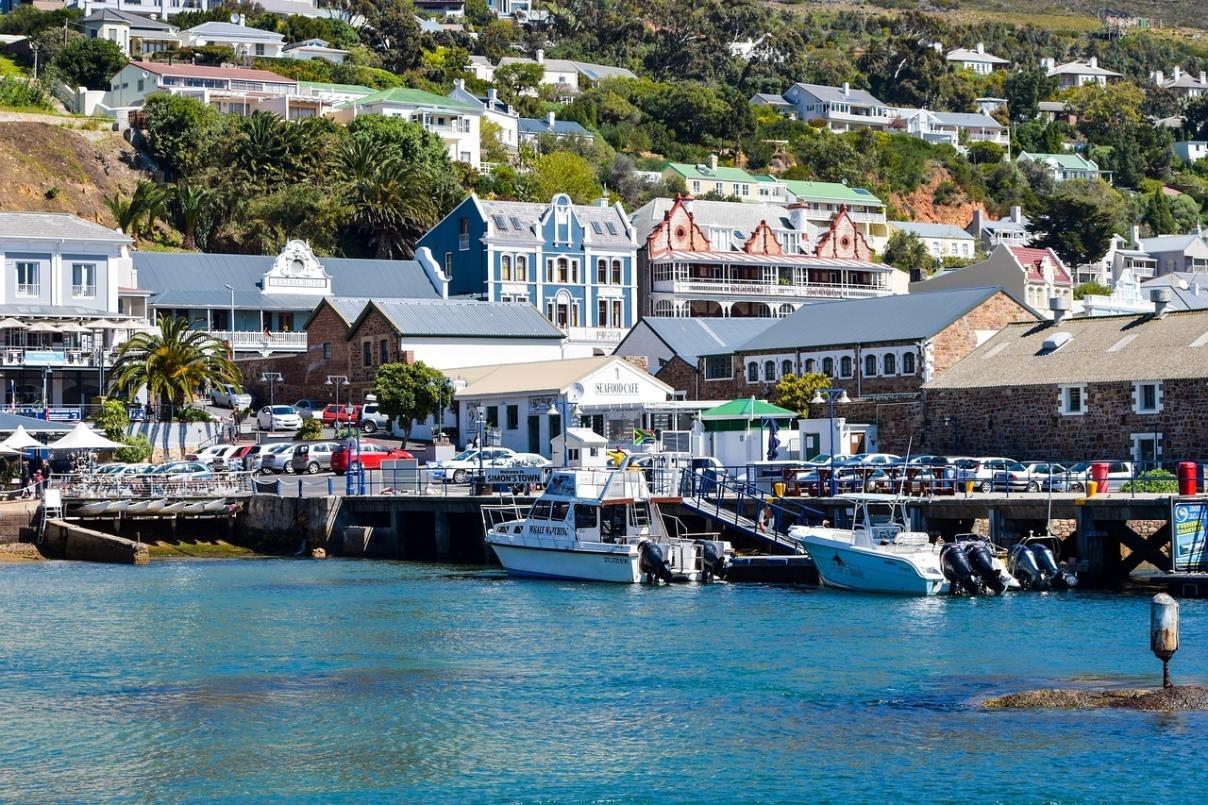
Located on the shores of False Bay, Simon's Town is a historic naval base and one of South Africa's oldest settlements. It remains the headquarters of the South African Navy and retains much of its Victorian-era architecture. The town is famous for Jubilee Square, which features a statue of Just Nuisance, the only dog ever officially enlisted in the Royal Navy. Beyond its maritime history, the area offers the South African Naval Museum, several vintage boutiques, and waterfront restaurants serving traditional fish and chips.
- Jubilee Square: Visit the statue of Just Nuisance, the legendary Great Dane who was an enlisted member of the Royal Navy.
- Museums: Explore the South African Naval Museum or browse the vintage boutiques.
Kalk Bay
The coastal road then winds through Glencairn and Fish Hoek before reaching Kalk Bay, a vibrant harbour town known for its excellent restaurants, bars, and eclectic shops selling curios, fashion, and interior décor. Recently voted one of the "coolest neighbourhoods in the world," Kalk Bay is a bohemian dream.
- The Harbour: Walk the pier to the red-and-white lighthouse and watch seals sunbathe.
- Dining: Enjoy a drink at the legendary Brass Bell, where waves literally crash against the windows.
- Shopping: The main road is lined with antique shops, bookstores, and "Scratch Patch" gemstone outlets.
-2E983FFE-ED29-4C1B-895B2D5AFFDCE1C6.jpg)
Muizenberg
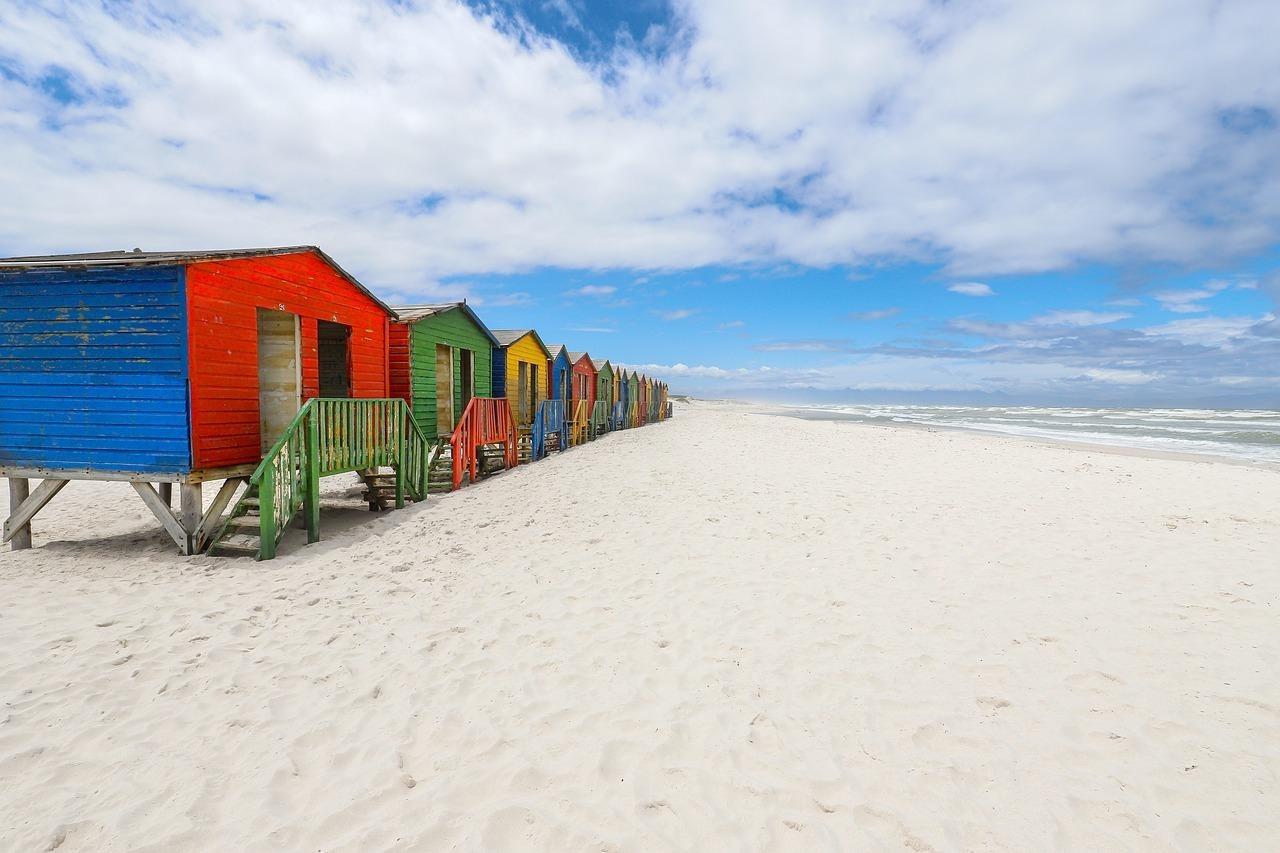
Muizenberg is a coastal suburb on the False Bay side of the Peninsula, widely regarded as the birthplace of surfing in South Africa. It is most famous for Surfer's Corner, where the long, consistent waves make it an ideal location for beginners. The beach is instantly recognisable by its rows of brightly coloured wooden bathing huts, which remain a popular landmark for visitors. The town has a bohemian character, with a community of surfers, artists, and students.
- Casa Labia: Visit this former Italian Count's residence for high tea and culture.
- Blue Bird Garage: If your trip falls on a Friday night, this converted hangar hosts a fantastic food and goods market.
Where to Stay: Luxury on the Coast
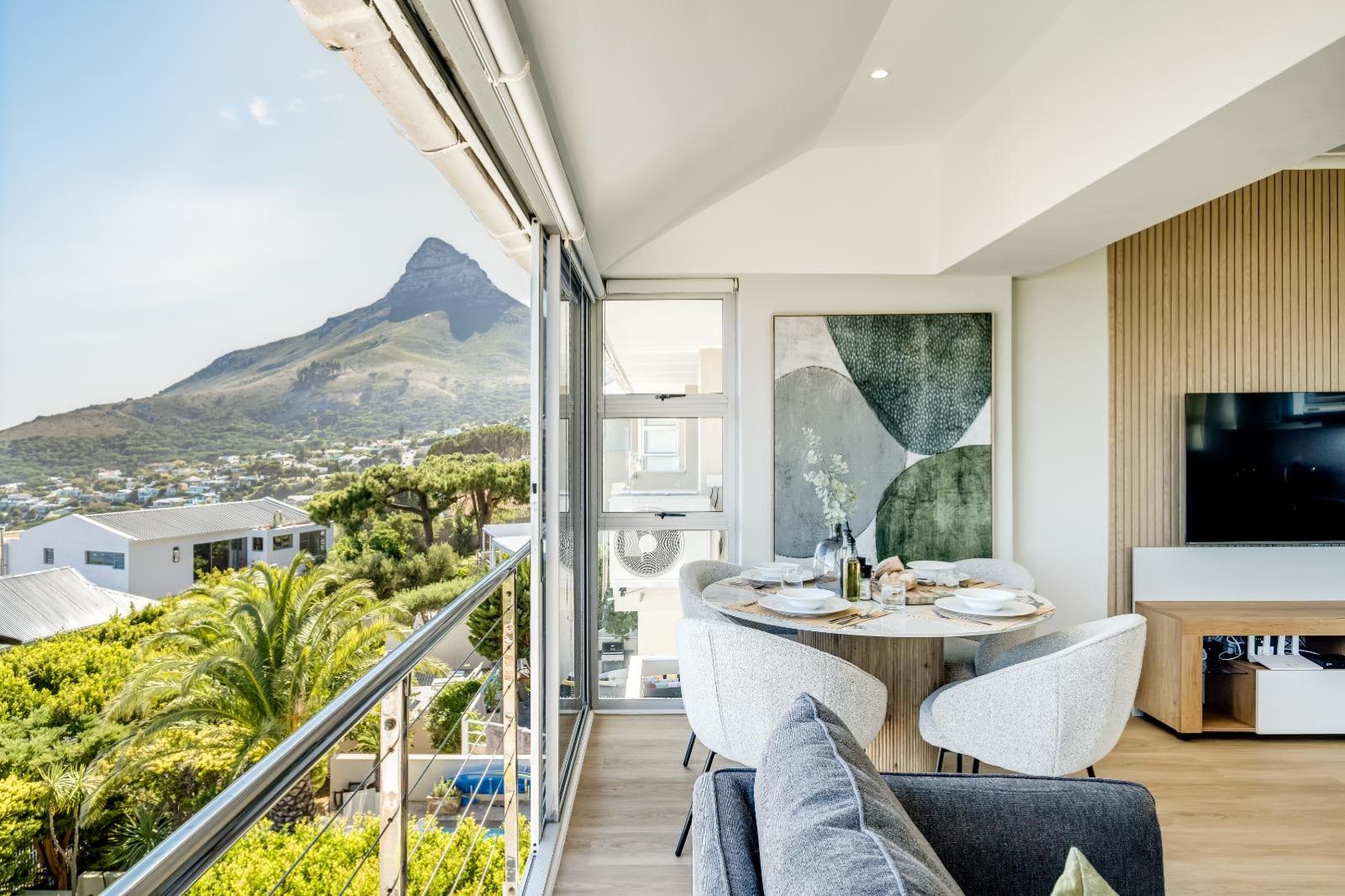
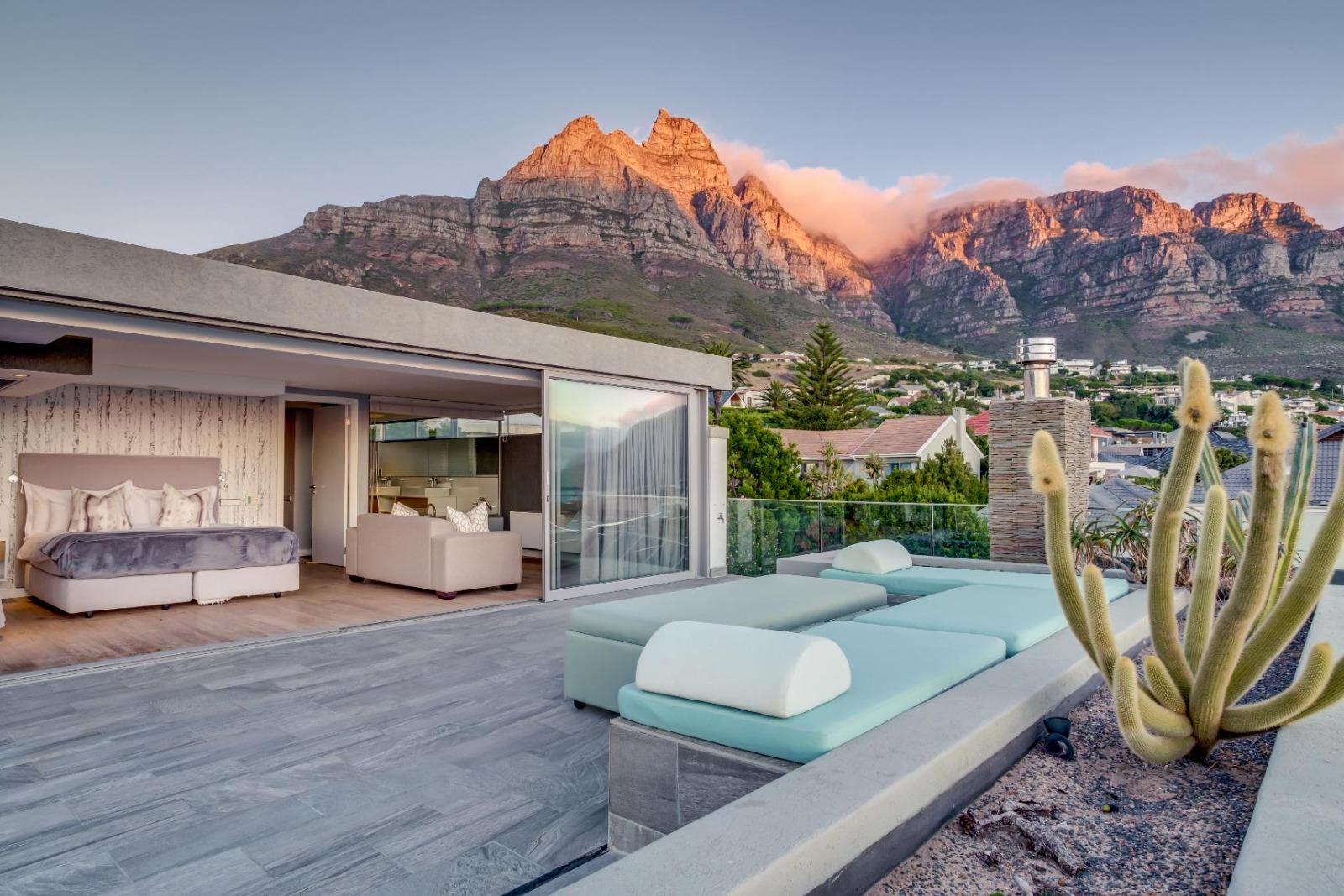
If you want to base yourself near the start of the Peninsula route, Camps Bay and the surrounding seaside suburbs offer the best blend of safety, scenery, and central access.
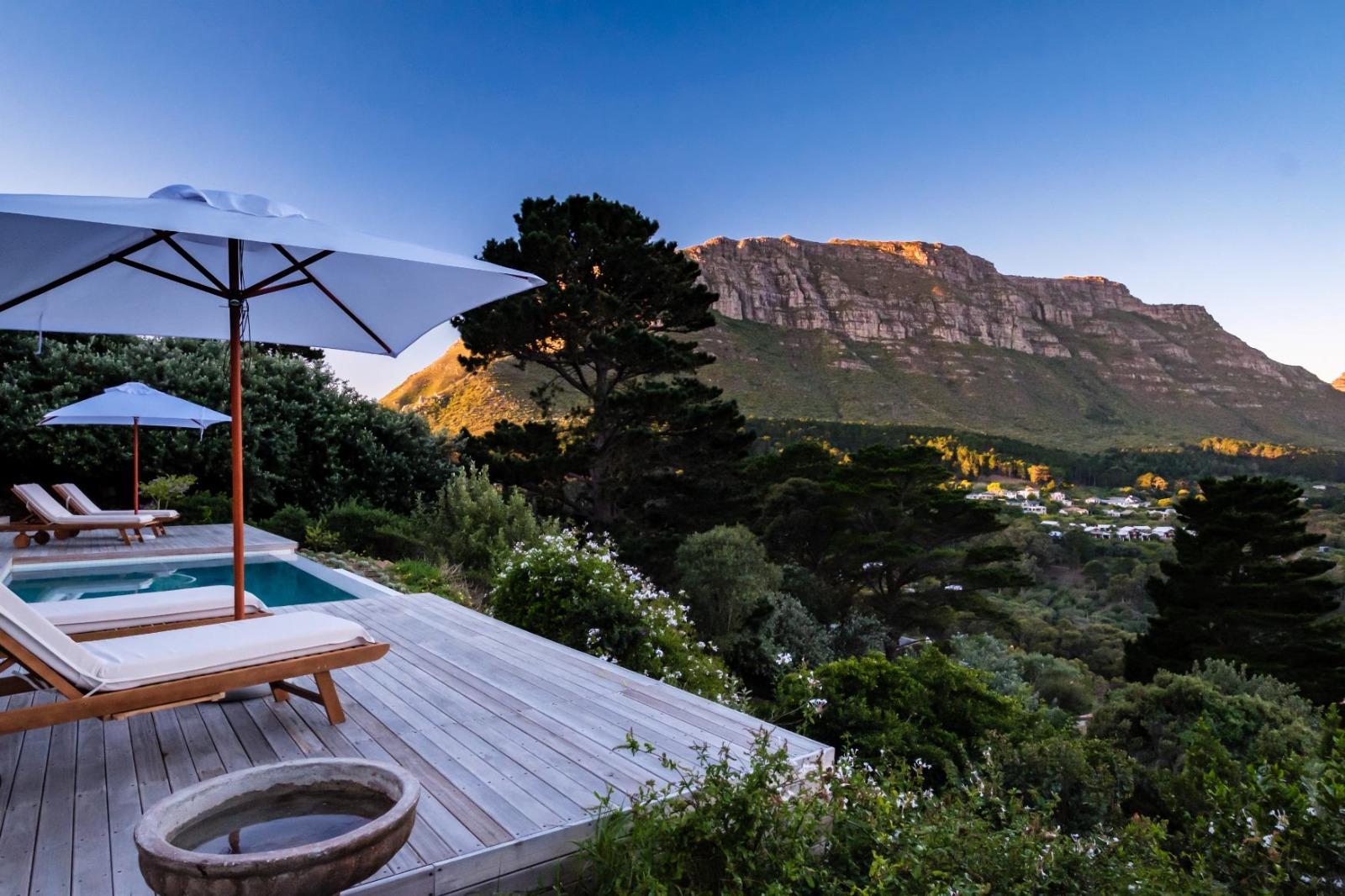
For those seeking privacy and space, Nox Rentals offers a curated portfolio of luxury villas. Choosing a private villa allows you to enjoy the "Cape Lifestyle" with high-end conveniences and spectacular sunset views over the Atlantic.
Find answers to your travel-related questions in our handy, one-stop holiday planning hub.
Experience the Best of the Cape: A Journey Around the Peninsula
A day trip around the Cape Peninsula is a central South African experience, showing a mix of coastal scenery and historic towns. From the engineering of Chapman's Peak Drive to the landscape of Cape Point, the route highlights the natural variety of the region. Whether you are visiting the penguin colony at Boulders Beach or the suburbs of Camps Bay, the journey provides a clear perspective on Cape Town. By following the loop from the Atlantic Seaboard to False Bay, visitors can see the meeting of oceans and mountains that defines this destination.

FAQs - Day Trip Around Cape Peninsula
How do I pay the toll on Chapman's Peak Drive?
As of 2026, the Chapman's Peak toll plaza has moved towards contactless payment. You can pay using tap-enabled credit or debit cards, as well as mobile wallets like Apple Pay, Google Pay, and Samsung Pay. While cash is still accepted, older "swipe" cards are no longer supported.
When is the best time to see the penguins at Boulders Beach?
While the penguins are present year-round, the best viewing times are early morning (07:00–09:00) or late afternoon (after 16:00) when they are most active. Between February and August, you can witness the breeding season, while January is an excellent time to see juvenile penguins moulting on the beach. Note that in September and October, many penguins spend more time at sea feeding.
Is it better to drive the Peninsula route clockwise or anti-clockwise?
Most visitors prefer the clockwise route (starting via the Atlantic Seaboard/Clifton). This keeps your car on the ocean side of the road, offering better views and easier access to the coastal lookout points. It also allows you to reach Cape Point earlier in the day before the larger tour buses arrive.
Is the Cape Peninsula safe for a self-drive trip?
Yes, the route is generally very safe for tourists. However, standard precautions apply: keep your car doors locked, do not leave valuables visible on the seats when parked, and be mindful of baboons at Cape Point. Keep your windows up if baboons are nearby, as they are known to enter vehicles in search of food.
Is Cape Point the southernmost tip of Africa?
Actually, no. While a common misconception, the southernmost tip of the African continent is Cape Agulhas, located about 170km to the east. However, Cape Point is the most south-western point and is famous for the symbolic meeting of the cold Atlantic and warm Indian Ocean currents.
How long does it take to complete the Cape Peninsula day trip?
To fully enjoy the route without rushing, you should allow between 6 and 8 hours. While the drive itself takes about 3 to 4 hours of total road time, you will want ample time to explore Cape Point, watch the penguins at Boulders Beach, and stop for lunch in Kalk Bay or Simon's Town. Starting by 08:30 ensures you complete the loop and return before the peak afternoon traffic into the city centre.