
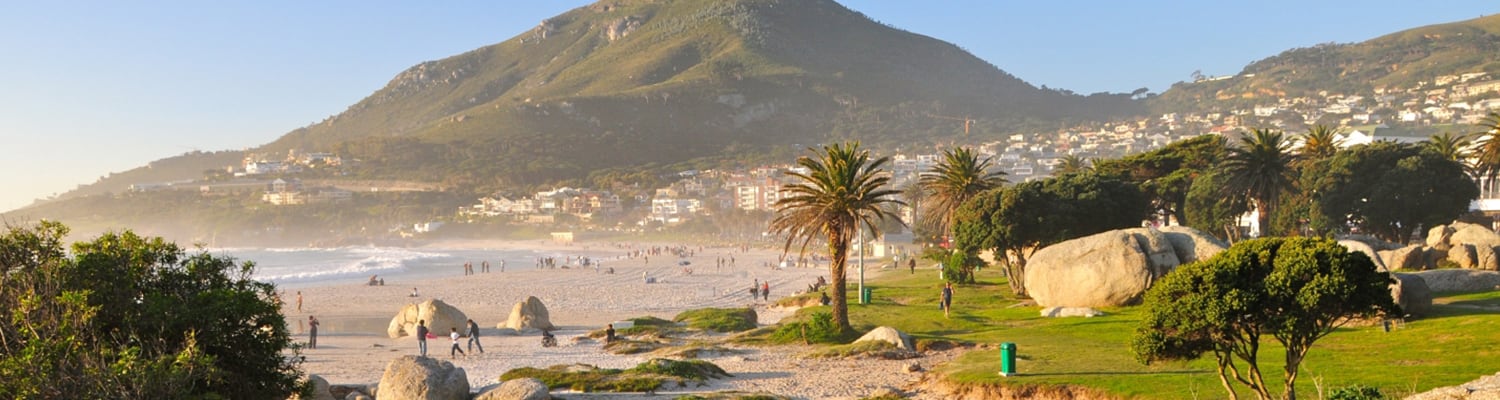
Discover the most popular beaches in Cape Town
Cape Town is home to some of South Africa's most popular beaches, offering everything from lively promenades and family-friendly shores to secluded coves and specialist beaches for surfing, wind sports, and even nude bathing.
From Camps Bay and Clifton on the Atlantic Seaboard to Muizenberg and Boulders in False Bay, each beach offers a distinct experience shaped by location, water temperature, and surrounding attractions. This guide highlights the best-known beaches in Cape Town to help you choose the right spot for swimming, relaxation, adventure, or wildlife encounters.
What You Need to Know Before Visiting a Cape Town Beach
Before heading to a Cape Town beach, it's helpful to know a few simple guidelines that keep everyone safe and ensure the coastline stays beautiful. The City of Cape Town's Coastal By-law applies to all beaches, and clear signs are displayed at each access point outlining what's allowed. Here's a quick guide:
- Fires, fireworks and Chinese lanterns are not allowed.
- Alcohol, drugs and glass containers are prohibited.
- Fishing is restricted near swimming areas and tidal pools.
- Motorised boats and jet skis must keep a safe distance from swimmers.
- Overnight camping and closed shelters (such as tents) are not permitted.
- Loudspeakers or amplified music should not be used; equipment may be confiscated.
- Unauthorised trading or performances aren't allowed.
- Swimming, diving or snorkelling is prohibited near jetties or public launch sites.
Camps Bay
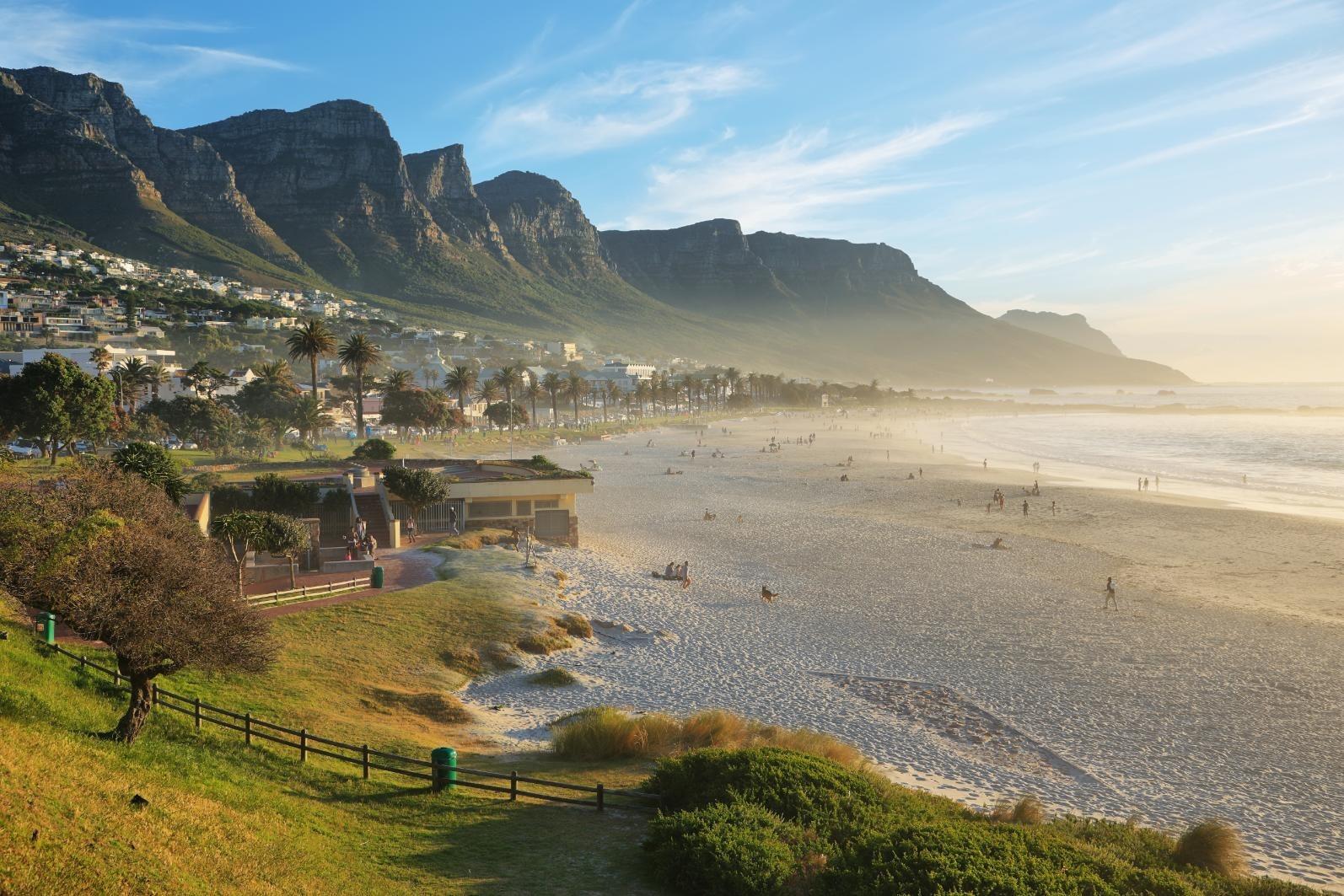
Camps Bay Beach is one of Cape Town's most popular and iconic beaches, located along the Atlantic Seaboard in the suburb of Camps Bay , Western Cape. Known for its white sand, palm-lined promenade and dramatic mountain backdrop, the beach offers sweeping views of Table Mountain, Lion's Head and the Twelve Apostles. While the Atlantic Ocean is refreshingly cold, it is ideal on hot summer days, and the sheltered tidal pool makes Camps Bay a family-friendly beach for young children.
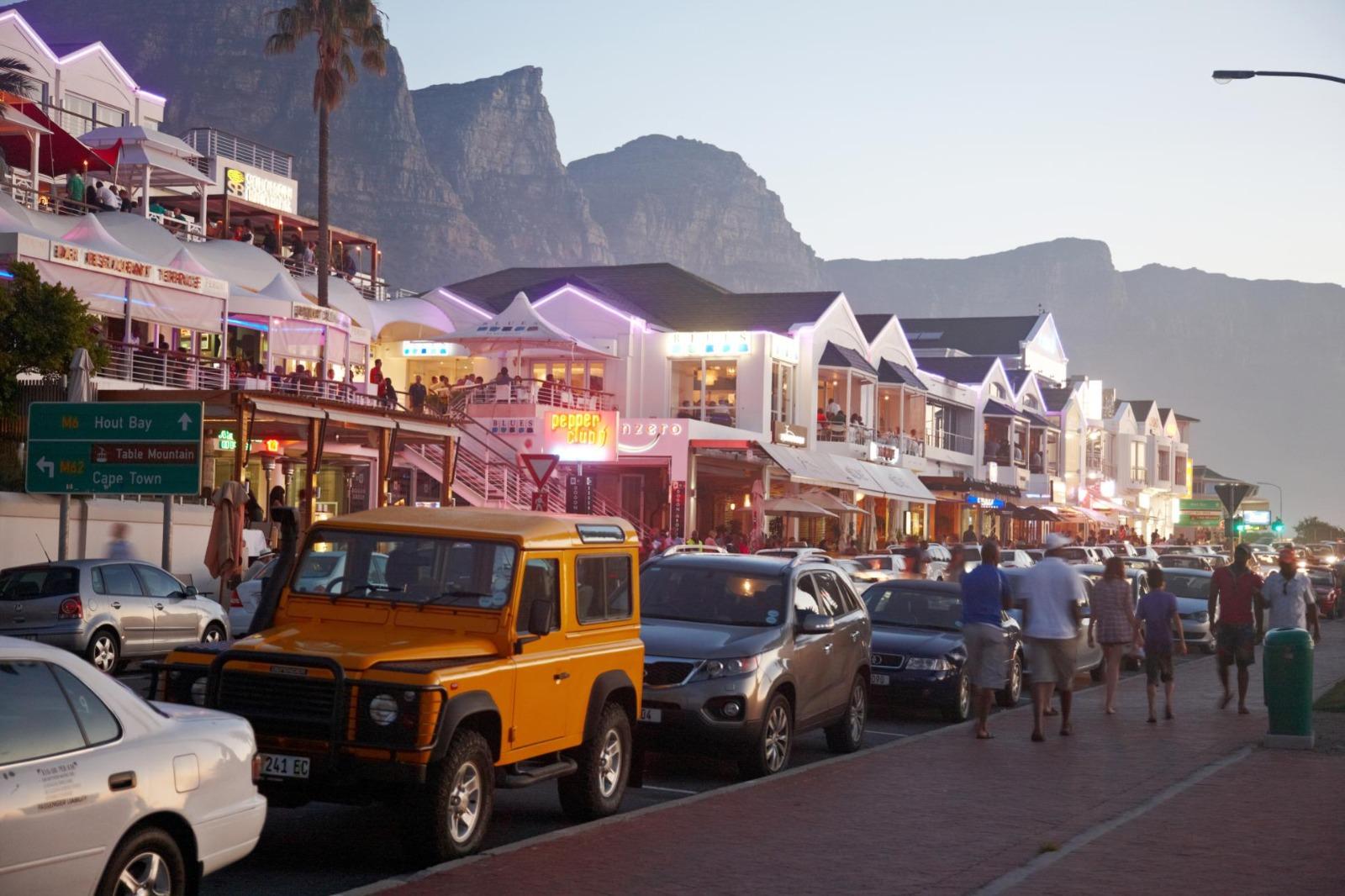
Directly opposite the beach, the Camps Bay Promenade is lined with renowned restaurants, cafés, bars and boutiques, making it a lively hub from morning to sunset. Visitors can enjoy beach volleyball, picnics on the grassy lawns, or relaxed afternoons by the sea, with lifeguards on duty during peak season. Facilities include ablutions, sun loungers and umbrellas for hire, and seasonal events such as volleyball tournaments and summer festivals add to its vibrant atmosphere. Popular with both locals and international visitors, Camps Bay Beach is a must-visit destination in Cape Town.
Tips for Visiting Camps Bay Beach
- Street parking along the promenade and beach is limited in summer; use an Uber or public transport like the MyCiti bus.
- Watch out for rip tides and always follow lifeguard instructions.
- If you prefer calmer waters, use the Camps Bay tidal pool (located near the beach, just across from the Pick n Pay)
Clifton
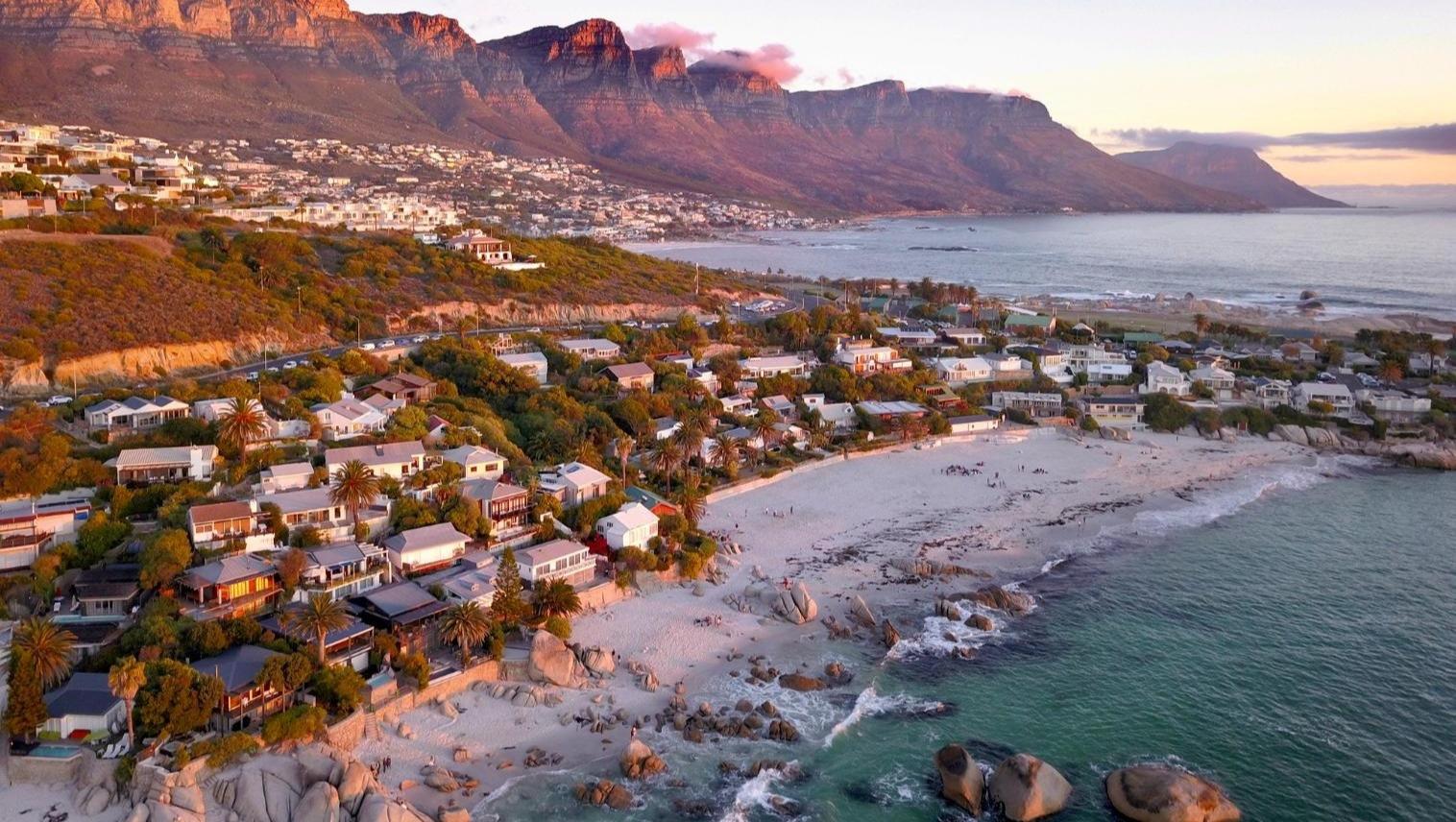
Clifton 's beaches are some of Cape Town's most iconic and beautiful stretches of sand, conveniently sheltered from the often strong Atlantic winds. Nestled between Bantry Bay and Camps Bay, they are just a five-minute drive from Camps Bay and around 15 minutes from Cape Town city centre, making them easily accessible from most areas of the city. On maps, Clifton's beaches may look like one continuous strip, but in reality, they are divided by large granite boulders into four distinct beaches, each with its own character.
Clifton 1st Beach:
The quietest of the four, Clifton 1st is dog- and family-friendly, perfect for a relaxed day by the sea. There are fewer hawkers here, which makes it peaceful, but bring your own snacks if you fancy an ice cream. Note that there are many steps down to the beach, so pack lightly, and public toilets nearby are only open on summer weekends.
Clifton 2nd Beach:
Slightly livelier and the longest of the four, Clifton 2nd is popular for beach volleyball and social gatherings. You'll enjoy great views of Lion's Head behind you. Like 1st Beach, access involves plenty of steps, and nearby toilets are only open on weekends.
Clifton 3rd Beach:
Known as the "gay beach" in Cape Town, Clifton 3rd is open to everyone and has a buzzing, trendy atmosphere. It's less crowded than Clifton 2nd, making it perfect for sunbathing. The beach often hosts exciting events, from silent disco parties to fire-dancing shows, which are great for kids and families.
Clifton 4th Beach:
The busiest and most accessible, Clifton 4th has its own parking lot and only a few steps to reach the sand. It is a Blue Flag beach, meaning it meets high environmental and sustainability standards and is always clean despite heavy visitor numbers. The water here is calmer than at the other beaches, making it ideal for swimming. It's especially busy during peak holiday periods but quieter on weekdays or after February when tourist numbers drop.
Tips for Visiting Clifton Beaches
- Parking can be challenging in summer; consider taking a taxi or Uber to avoid the crowds.
- The Atlantic water is cold, averaging around 14°C, so only the brave should swim!
- All beaches require descending stairs, so pack lightly.
- Each beach offers a slightly different vibe, from quiet family-friendly spots to lively social hubs.
- Police often patrol the beaches during the summer, checking cooler boxes and confiscating alcohol if rules are broken. This ensures the beaches remain safe and enjoyable for everyone.
Llandudno
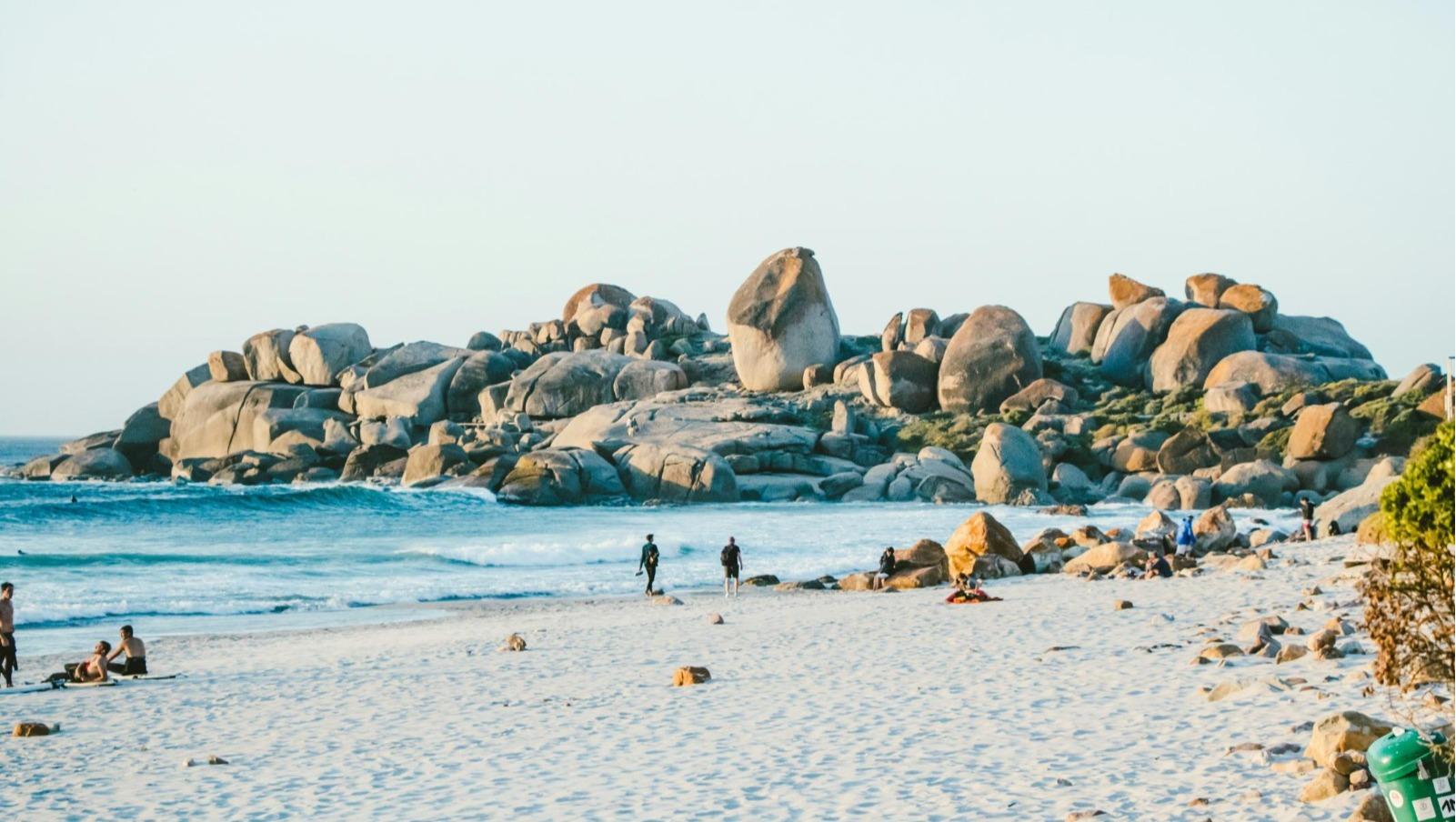
Llandudno Beach is a quiet, Blue Flag beach tucked into a small cove just before Hout Bay. Known for its soft white sand, turquoise waters, and dramatic mountain backdrop, it's one of Cape Town's most picturesque and peaceful beaches. Unlike other popular spots, Llandudno has no cafés, shops, or bars, so it's best to bring your own food and drinks. The beach's enormous granite boulders shelter it from most winds, creating a calm and rarely crowded environment.
This hidden gem is perfect for sunbathing, picnics, sundowners, surfing, bodyboarding, beach games, and dog walking. Walking along the northern boulders provides spectacular views, while the opposite side leads past Sunset Rocks and the wreck of the Romelia towards Sandy Bay, the nearby nudist beach.
Tips for Visiting Llanduno Beach
- Parking is limited, so you may need to park a short walk away.
- Facilities include two ablution blocks and a lifesaving club.
- Traders often sell ice creams and cold drinks during summer, but otherwise, bring your own supplies.
- Hout Bay is just a few minutes away for restaurants and shops, and Camps Bay, Cape Town CBD, and Constantia Winelands are all within 15 minutes by car.
Boulders
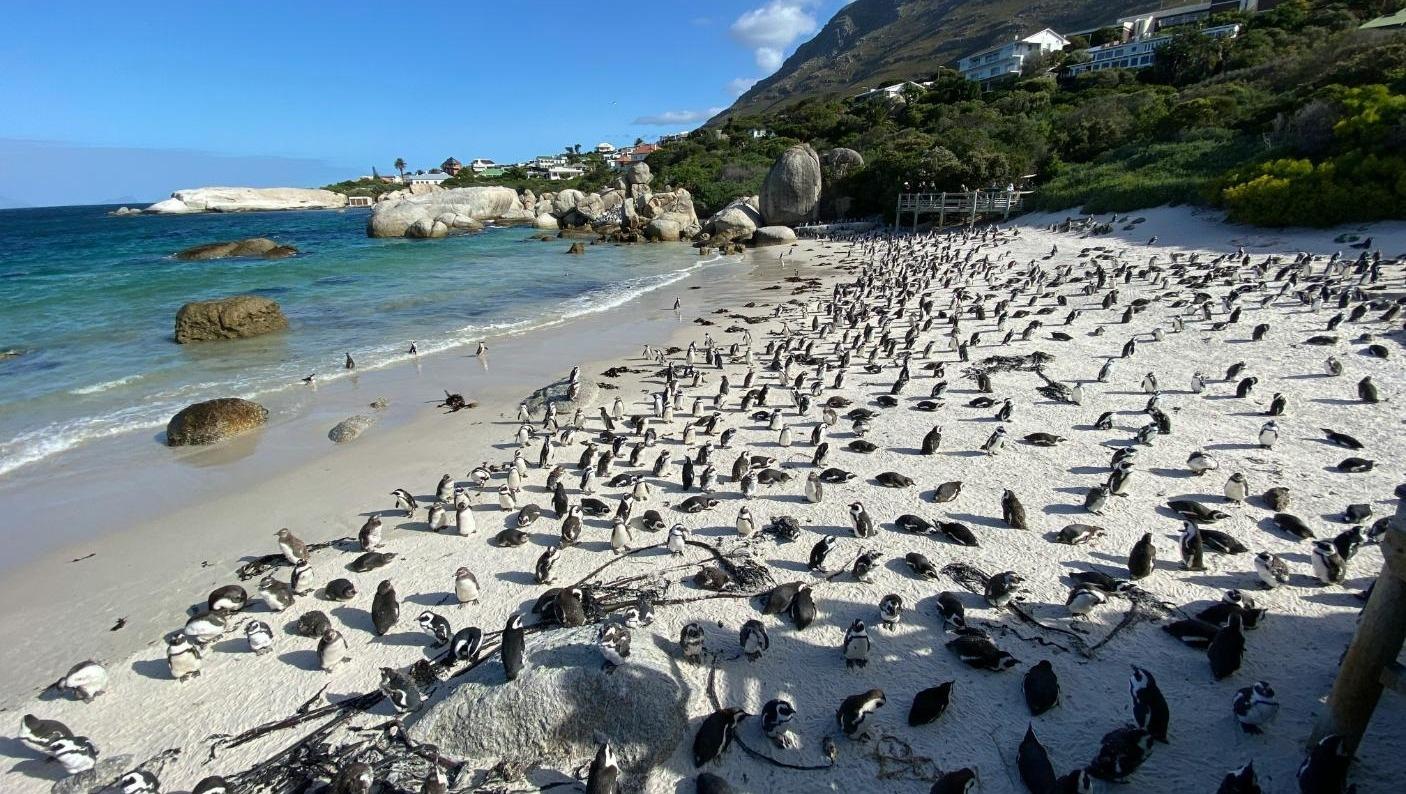
Boulders Beach is a sheltered cove located between Simon's Town and Cape Point, famous for its thriving colony of African Penguins and wind-protected beaches. Nestled within a residential area, the beach offers spots for sunbathing as well as a protected viewing area, Foxy Beach, where visitors can observe the penguins up close. A wooden boardwalk allows you to walk above the penguin colony safely, giving excellent views of both the penguins and the local dassies in their natural habitat. Swimmers at Boulders may even spot penguins floating nearby, unbothered by human presence, which is a truly unique and fascinating experience.
The Boulders Penguin Colony is home to a rare, endangered land-based colony of African Penguins, making it one of only a few sites of its kind worldwide. The beach is particularly family-friendly, as the enormous boulders shelter the cove from currents, strong winds, and large waves. However, visitors should never touch or feed the penguins. Their beaks are sharp, and they will defend themselves if they feel threatened. A conservation fee applies, so remember to bring some cash.
Tips for Visiting Boulders Beach
- Rangers patrol the beach daily, making it a safe spot for families.
- Parking is limited, so arrive early during peak summer months.
- Alcohol and smoking are prohibited.
- Beach space varies with the tides, so low tide is best for a visit.
- The beach is closed to all vessels, including kayaks and canoes.
- Boulders is part of the Table Mountain National Park Marine Protected Area, a no-take zone. Removing any marine life is prohibited.
- A daily conservation fee is payable at Boulders, so check current tariffs before your visit.
Sandy Bay
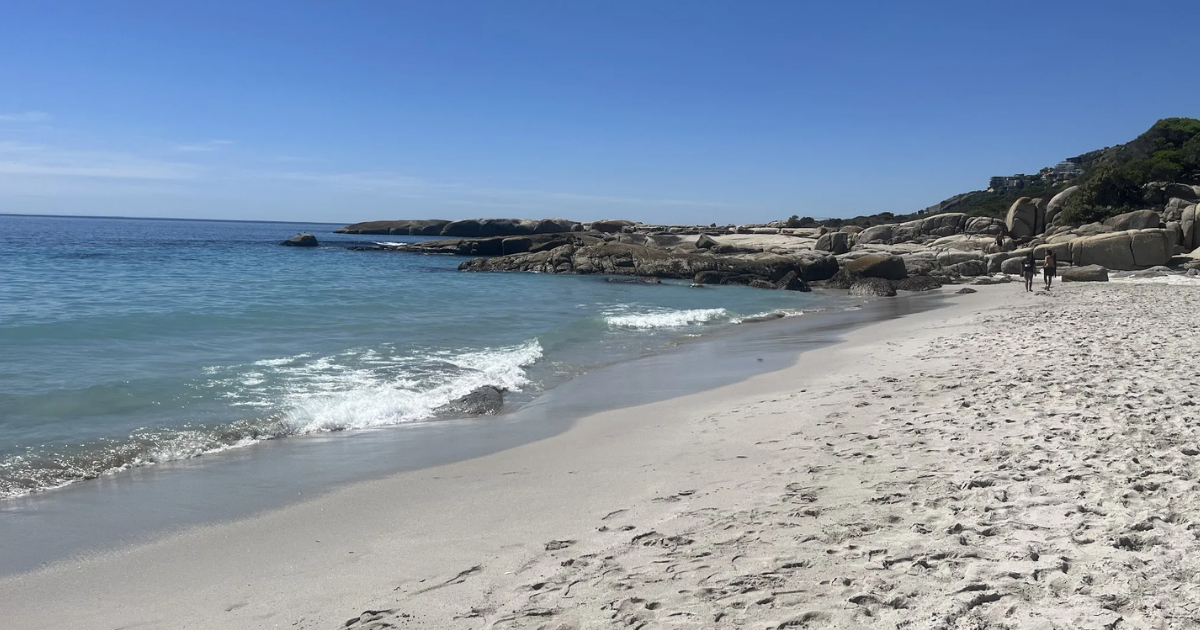
Sandy Bay Beach is a nudist beach located just south of Llandudno, on the west side of the Karbonkelberg. Hidden from view of the main road to Hout Bay, this secluded cove lies in the valley of the Twelve Apostles mountain range, offering a private retreat for naturists. Tucked between the towering cliffs of the Cape Peninsula and the vast Atlantic Ocean, Sandy Bay is one of Cape Town's most untouched coastal gems. The beach is known for its pristine white sands, crystalline waters, and tranquil atmosphere, providing an escape from the bustling city beaches.
Access to Sandy Bay requires a bit of effort, but it is well worth it. Visitors can either clamber over rocks from the southern Llandudno car park or enjoy a scenic 20-minute walk from the northern Hout Bay car park. Both car parks are small and often fill quickly, so arriving early or being prepared to walk a short distance is recommended.
Sandy Bay has no facilities such as shops or restrooms, so visitors should bring essentials like water, snacks, and sun protection. Despite the effort required to reach it, the beach rewards those seeking peace, natural beauty, and a truly secluded experience.
Tips For Visiting Sandy Bay
- Bring your own trash bag, as there are no bins on the beach.
- Be alert for Cape cobras during the high summer months. These golden-yellow snakes may slither between rocks and trees. If you see one, remain calm and stand still until it moves on.
- The beach has no facilities such as shops or restrooms, so come prepared with water, snacks, and sun protection.
Ready to start planning your trip? Find answers to all your travel questions in our handy, one-stop resource, packed with guides and tips to make planning your visit a breeze. Take a look here .
Hout Bay
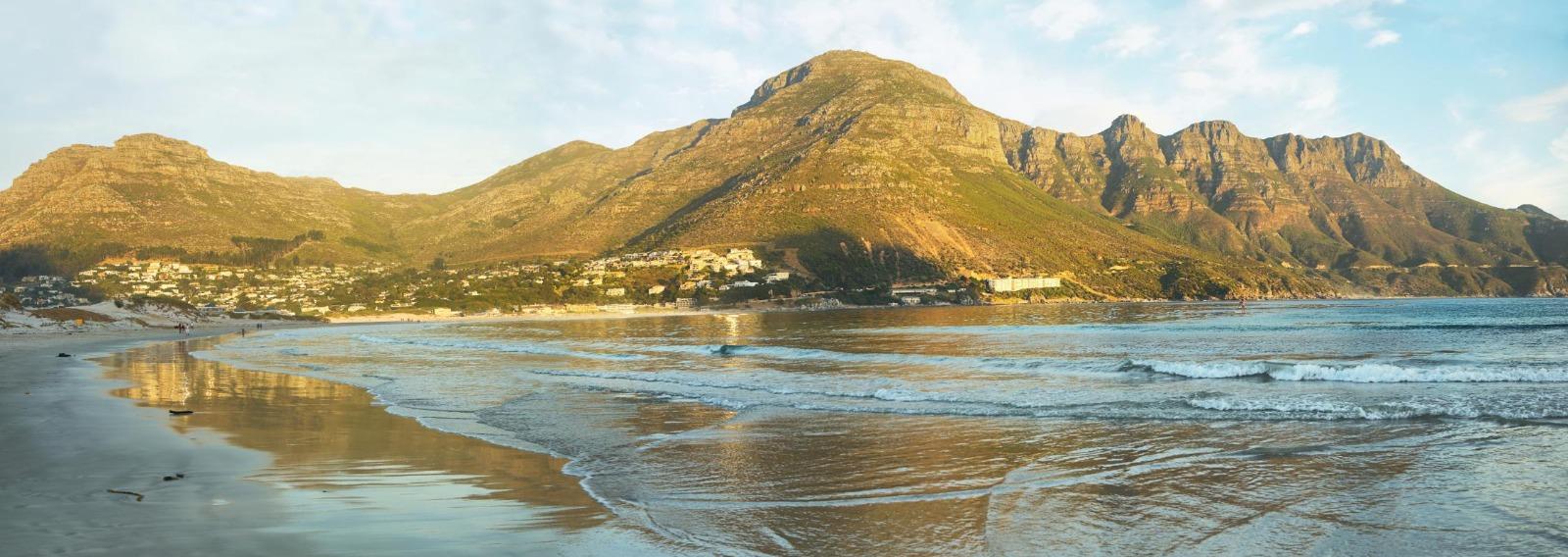
Hout Bay Beach is a beautiful beach located in the suburb of Hout Bay , Cape Town. Surrounded by soft sand and dramatic mountains, it's perfect for families, dog walkers, horse riders, and water sports enthusiasts. The protected bay is ideal for swimming, kayaking, and spotting dolphins, seals, and even whales. Stretching nearly a kilometre from Chapman's Peak to the harbour, the beach offers plenty of space for volleyball, cricket, or flying kites.
The harbour and beachfront are great for dining and shopping. Fresh seafood is available at local restaurants and Mariner's Wharf, while the Bay Harbour Market offers local crafts and snacks. The area is also a departure point for ocean safaris, fishing, snorkelling, and other water activities. Hout Bay Beach combines calm waters, wide sandy shores, and stunning scenery, making it a must-visit destination on Cape Town's Atlantic coast.
Tips For Visiting Hout Bay Beach
- Hout Bay can get quite windy (the "South Easter"). If the wind is howling, the beach can be unpleasant for sunbathing. Check the wind forecast before you head out.
- The Bay Harbour Market (Fridays through Sundays) makes the area very busy. If you want a quiet beach walk, aim for a weekday morning.
- There is a public parking lot on the eastern side (near Chapman's Peak Drive) that holds about 150 cars. It fills up fast on sunny weekends!
- Be cautious after heavy rain. The Disa River flows into the bay and can occasionally affect water quality. It is best to avoid swimming for 12–24 hours after a big storm.
Muizenberg
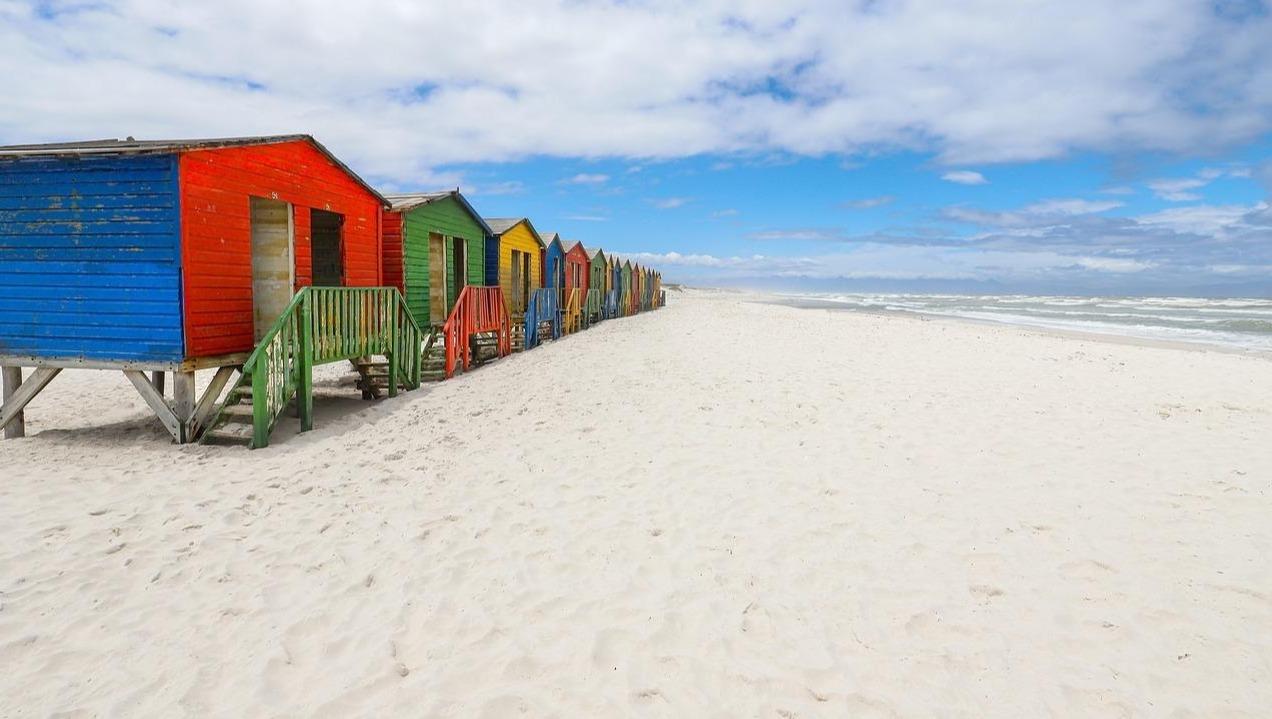
Muizenberg Beach, on False Bay, is famous for its warm waters, gentle waves, and colourful beach huts. Ideal for swimming, surfing, bodyboarding, and family fun, the beach is perfect for beginners and children.
The Muizenberg Pavilion offers water slides, a pool, kiosks, and mini-golf, while "Surfer's Corner" is lined with cafés, surf shops, and ice cream stalls. A 30-minute boardwalk leads to St James Beach, great for whale and dolphin spotting in winter. Dogs are allowed on leashes from April to November, and lifeguards patrol during the Blue Flag season.
Tips For Visiting Muizenberg Beach
- Stay within the designated swimming areas and keep clear of the main surf zones.
- Muizenberg is a known shark area, so always watch the flag system and follow instructions from lifeguards and officials.
- The famous colourful huts are mostly decorative or used for storage. Use the public changing rooms near the main entrance instead of relying on the huts.
Fish Hoek
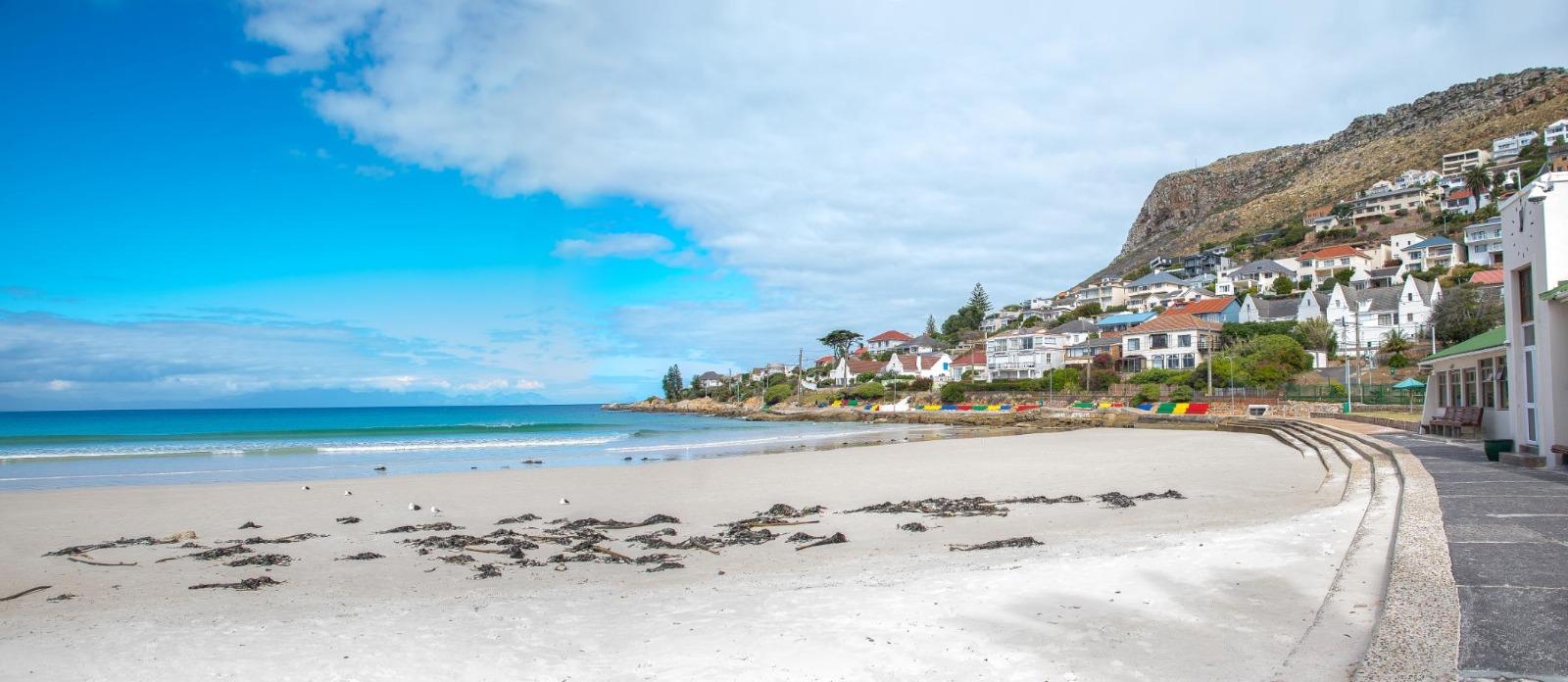
Fish Hoek, meaning "Fish Corner", is a relaxed seaside town on the False Bay side of the Cape Peninsula. Fish Hoek Beach stretches for around 1.5km and features flat, white sand that's ideal for family outings, sunbathing, beach games and long walks. The sheltered bay protects the beach from strong currents, making it one of the best spots in Cape Town for swimming, bodyboarding, kayaking, surfing and sailing. During peak summer months, lifeguards and shark spotters are on duty, adding to the beach's family-friendly appeal.
The scenic Jager Walk reveals fascinating rock pools, while the quieter northern end is often used by local fishermen launching their nets. Fish Hoek is also a popular whale-watching location and sits just minutes from the penguin colony at Boulders Beach. With nearby restaurants, shops, changing rooms and showers, it's an easy, well-equipped beach for a full day out.
Tips For Visiting Fish Hoek Beach
- Fish Hoek has one of the largest parking lots of any Cape Town beach (over 600 spots), but it still fills up by 10:00 AM on hot January weekends.
- Fish Hoek has a shark exclusion net creating a safe swimming zone. The net is deployed daily during summer (October–April) when conditions allow.
- Flag system: A yellow flag with a black shark means the net is in place and you are in a protected area. Shark Spotters: Even without the net, trained spotters monitor the beach from the mountain. If the siren sounds, leave the water immediately.
- The beach slopes gradually, allowing you to wade far out while still waist-deep, perfect for "social swimming" and chatting in the water without fighting strong surf.
Noordhoek
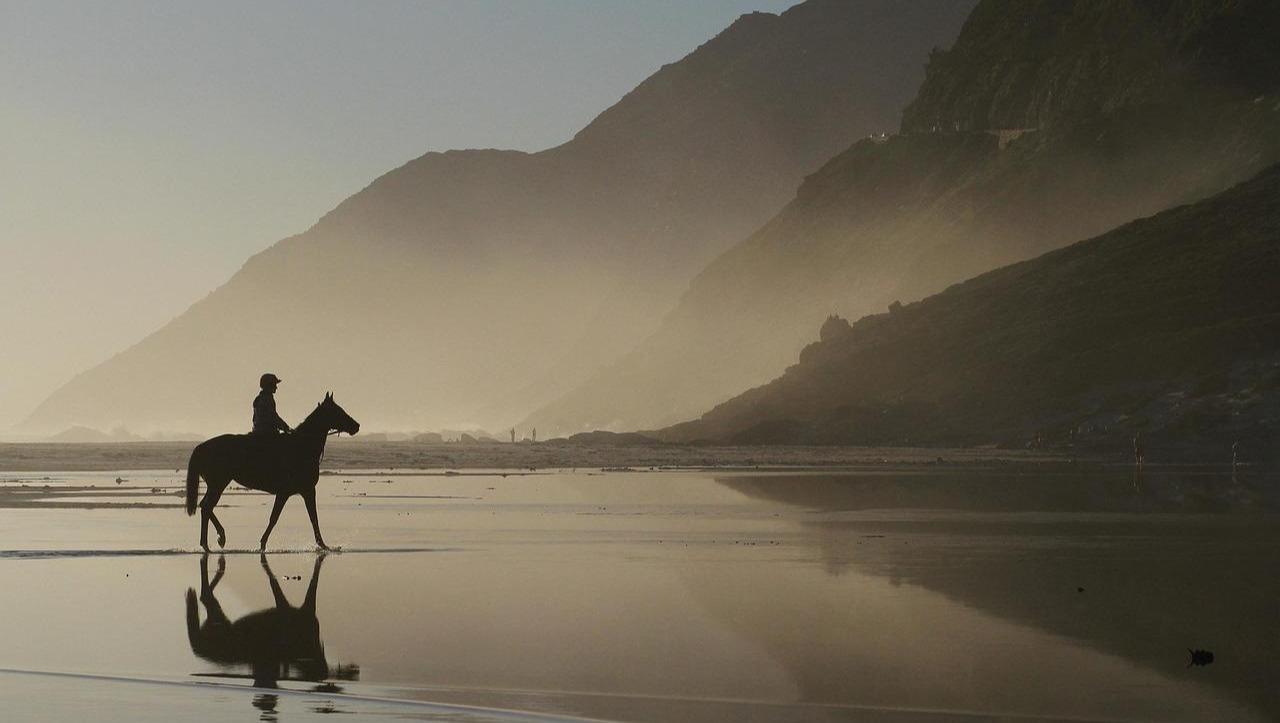
Noordhoek Beach is the longest and one of the whitest beaches in Cape Town, stretching for nearly 8 kilometres along an unspoilt coastline. Best known for horse riding rather than sunbathing, it offers a truly scenic experience, with sweeping views from Chapman's Peak as the shoreline curves towards Kommetjie. Several horse farms near the beach cater to all riding levels, making it a standout destination for those wanting to explore the sands on horseback.
Thanks to its vast size, Noordhoek Beach never feels crowded and is popular for surfing, kitesurfing, dog walking, and long coastal walks. The Atlantic water is cold, but manageable with a wetsuit, and after winter rains a shallow lagoon often forms, ideal for children. In winter, visitors can also spot the remains of the historic Kakapo shipwreck, adding to the beach's wild and rugged appeal.
Tips For Visiting Noordhoek Beach
- Due to the beach's size and relative isolation, opportunistic crime has occurred in the past. Always visit in a group and avoid quiet, isolated sections.
- Stick to the northern end; most visitors remain closer to Chapman's Peak. Walking south towards the shipwreck or Kommetjie becomes increasingly remote.
- Surf with experience: Surfing spots such as The Hoek are known for heavy, powerful waves and are best suited to experienced surfers only.
- Swimming is not advised: The Atlantic water is extremely cold, currents are strong, and lifeguards are rarely present. This beach is better for feet-in-water than swimming.
- Go horse riding: One of Noordhoek's most iconic activities. Local stables like The Dunes and Sleepy Hollow offer guided rides, and sunset rides along the beach are particularly memorable.
Kommetjie
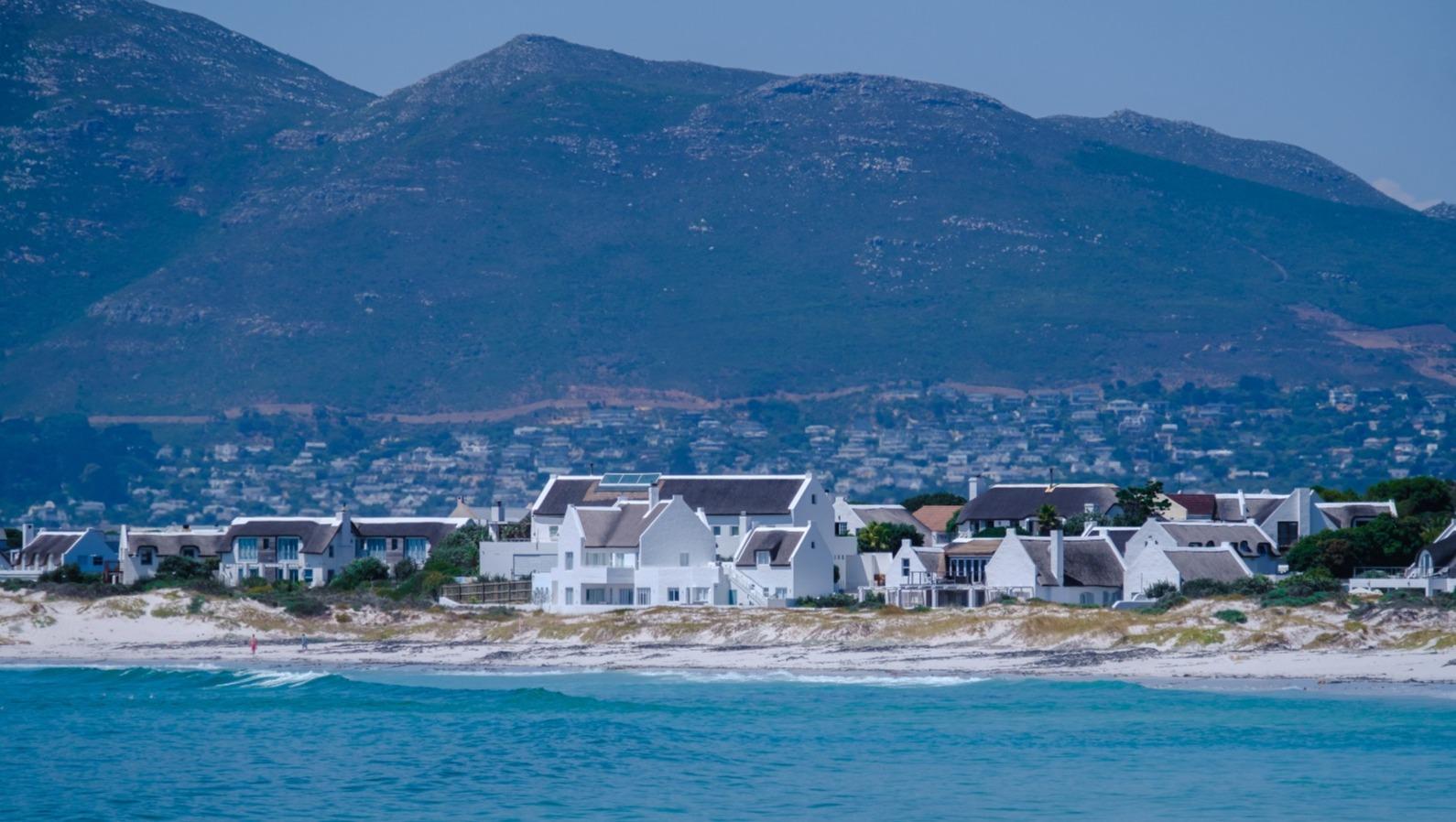
Kommetjie is situated at the other end of Noordhoek beach. From here you can also do horse riding, as well as Camel riding, from the Bohemian farm Imhoff. The beach can be windy, so calmer days are best for sunbathing, while the cold Atlantic water is better suited to wetsuit activities. For younger children, the small Kom tidal pool offers a safer bathing option. Long Beach is also well known for its scenic coastal walks and dog-friendly appeal. Walks along the shoreline pass the historic Kakapo shipwreck and can continue all the way to Noordhoek Beach.
Other highlights include the route around Bird Island near the Kommetjie slipway, the Outer Kom surf spot, and the boardwalk leading to Slangkop Lighthouse, the tallest cast-iron lighthouse in South Africa, with sweeping views towards Cape Point.
Tips for visiting Kommetjie Beach
- Kommetjie isn't just one beach, but several coastal zones: Long Beach: Main stretch, perfect for surfing and sunset walks. The Kom: A rocky basin with a tidal pool – the safest place for swimming. Fisherman's Beach: Small, quieter cove often favoured by locals.
- Surfing: Outer Kom: Big waves for experts only. Inner Kom & Long Beach: More approachable but watch out for kelp and rocks.
- The Atlantic water is cold, around 14°C. Stick to the Kom Tidal Pool unless you're a serious cold-water swimmer.
- Slangkop Lighthouse: At 33 metres, it's South Africa's tallest cast-iron lighthouse. Take the boardwalk from the Kom to the lighthouse for a safe, scenic walk with spectacular views. Perfect for kids and dogs.
Blouberg And Table View
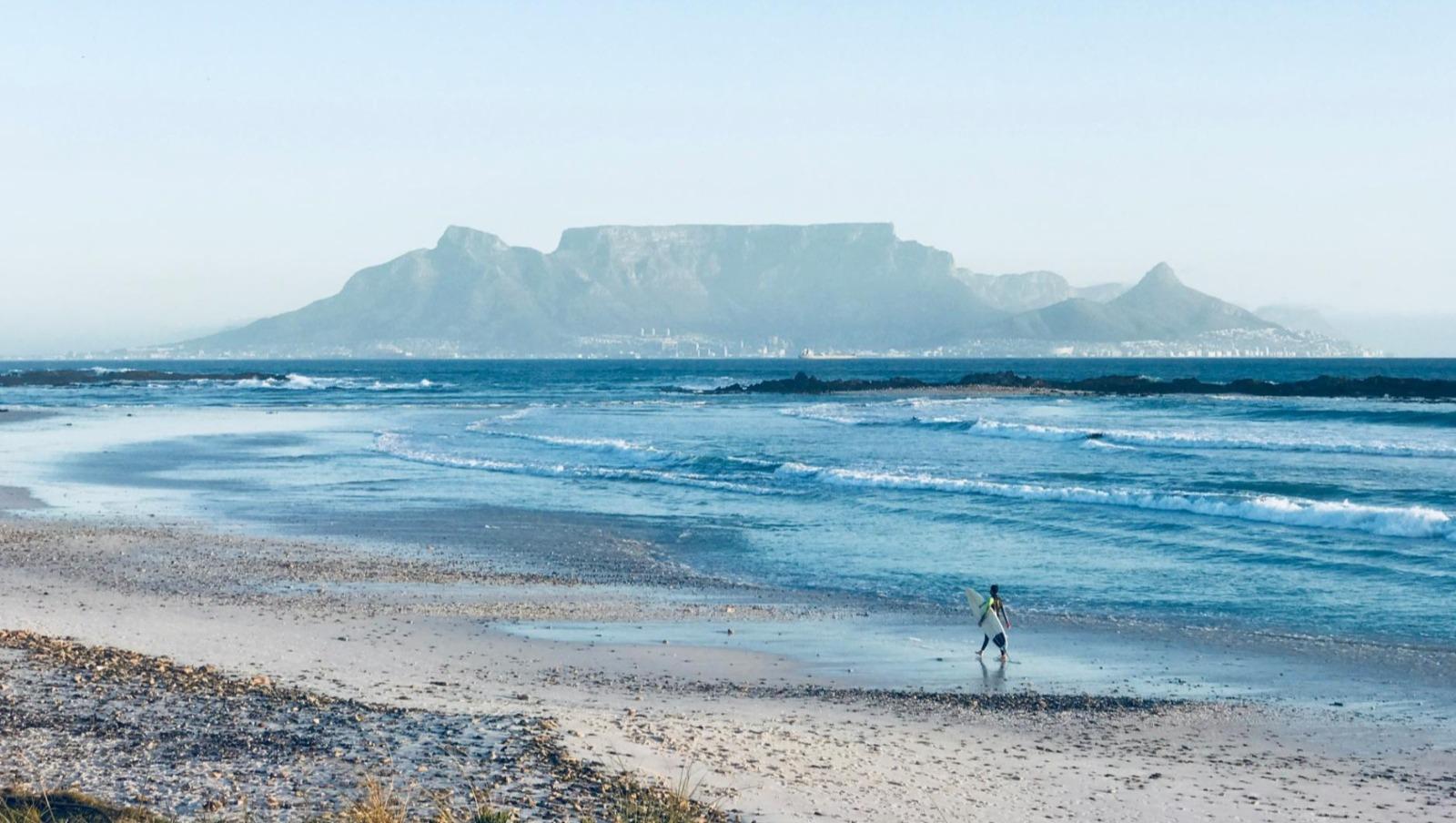
Blouberg and Table View beaches are the go-to spots in Cape Town for wind sports enthusiasts. Known for their strong, consistent winds, these beaches offer ideal conditions for kitesurfing, windsurfing and power-kiting, all set against the iconic postcard view of Table Mountain across Table Bay. The water here is noticeably colder than at Muizenberg, but the dramatic scenery more than makes up for it.
Located around 18km from the Cape Town CBD, Bloubergstrand is divided into Big Bay and Little Bay. Big Bay is a long, open stretch popular with kitesurfers and families alike, while Little Bay is more sheltered, with grassy picnic and braai areas, rock pools for children to explore, and calm spots for seaside walks. On calmer days, the beach becomes a relaxed space for sunbathing, beach games and picnics, making Bloubergstrand a versatile favourite for both adventure seekers and laid-back beachgoers.
Tips for visiting Table View and Blouberg Beach
- It gets very windy. If the "South Easter" is blowing (common in January and February), the sand can be abrasive. Check a wind app like Windguru; anything over 25 km/h is great for kiters but tough for sunbathers.
- Big Bay: Best for families and those who want amenities. There's a dedicated shopping centre (Eden on the Bay) right on the rocks with many restaurants, shops, and clean public toilets. Small Bay: A quieter, more sheltered cove that is much better for a quick dip or for kids to play in the rock pools.
- If you're craving a bite to eat with a view, check out The Blue Peter. It's famous for its "Sundowner" sessions. On a sunny Sunday afternoon, the lawn and outside deck are packed with locals, dogs, and sandy-toed surfers.
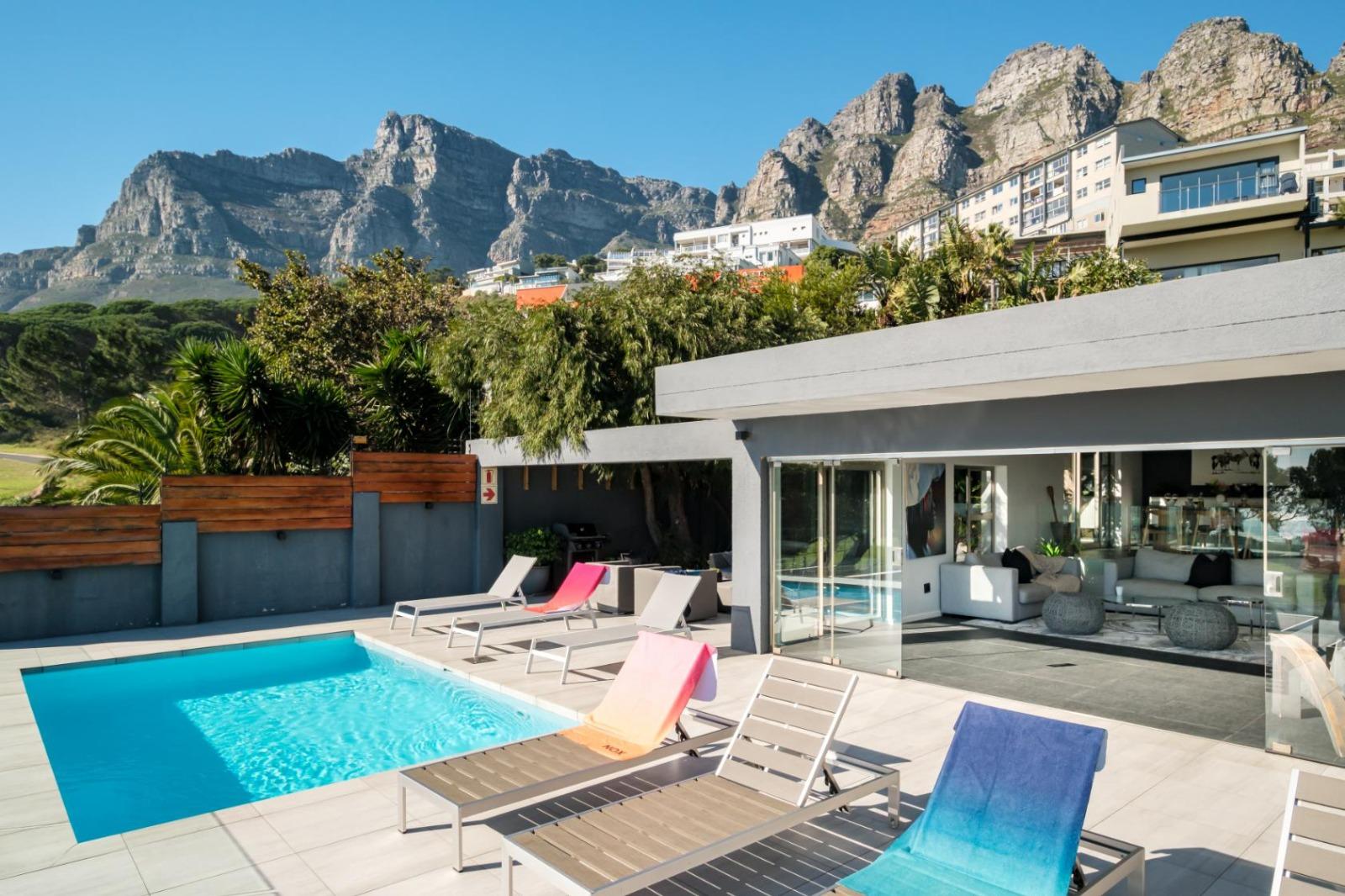
Explore Cape Town's Beaches and Find Your Perfect Stay with Nox Rentals
Cape Town's coastline is packed with incredible beaches, each offering something unique, from the iconic white sands and vibrant surf culture of Clifton and Muizenberg, to the secluded serenity of Sandy Bay and Llandudno, the wind-swept adventure of Blouberg, and the family-friendly shores of Fish Hoek and Hout Bay. Whether you're seeking thrilling water sports, relaxing sunbathing spots, scenic walks, or unforgettable horse rides along endless beaches, there's a perfect stretch of sand waiting for you.
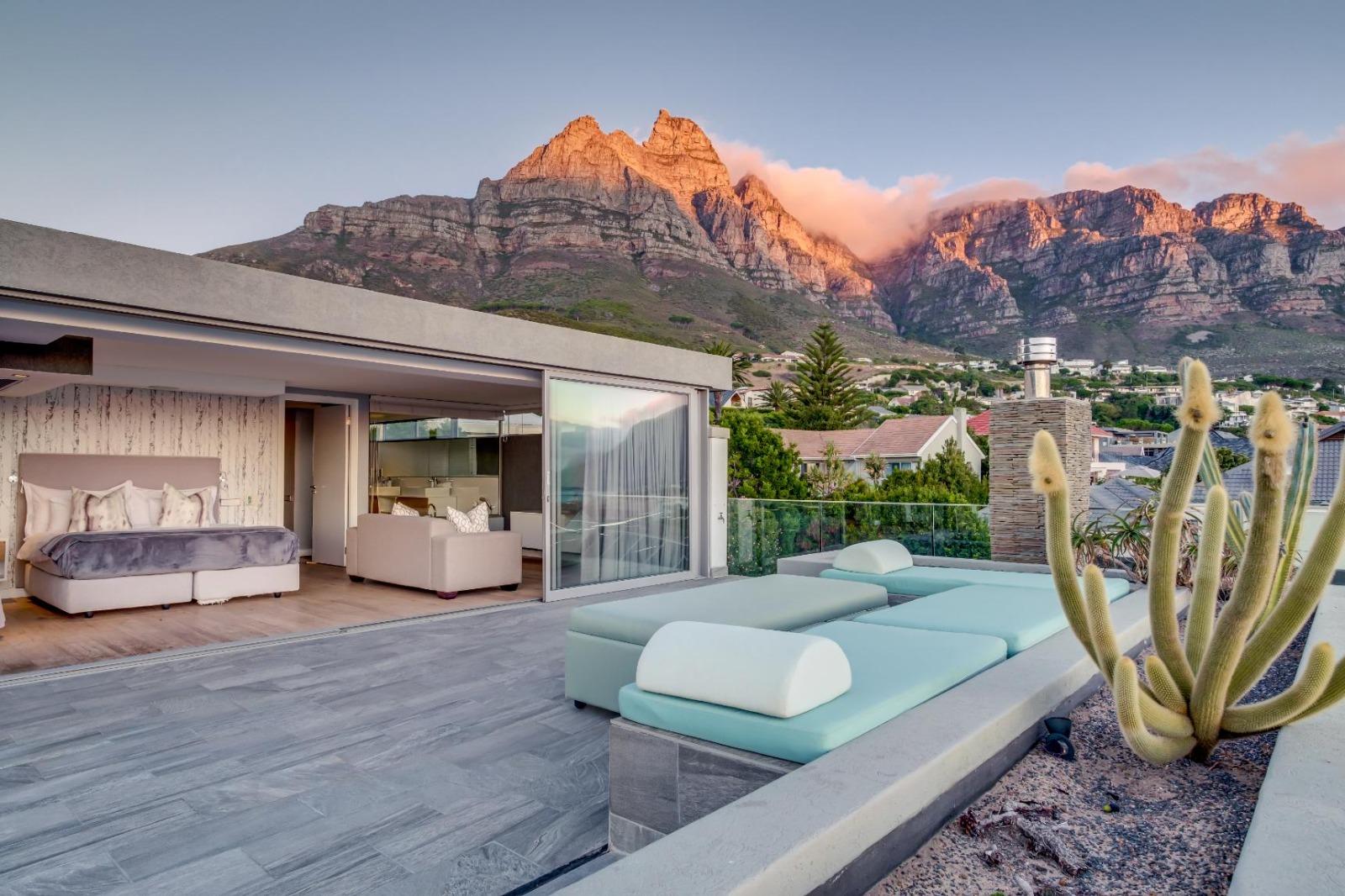
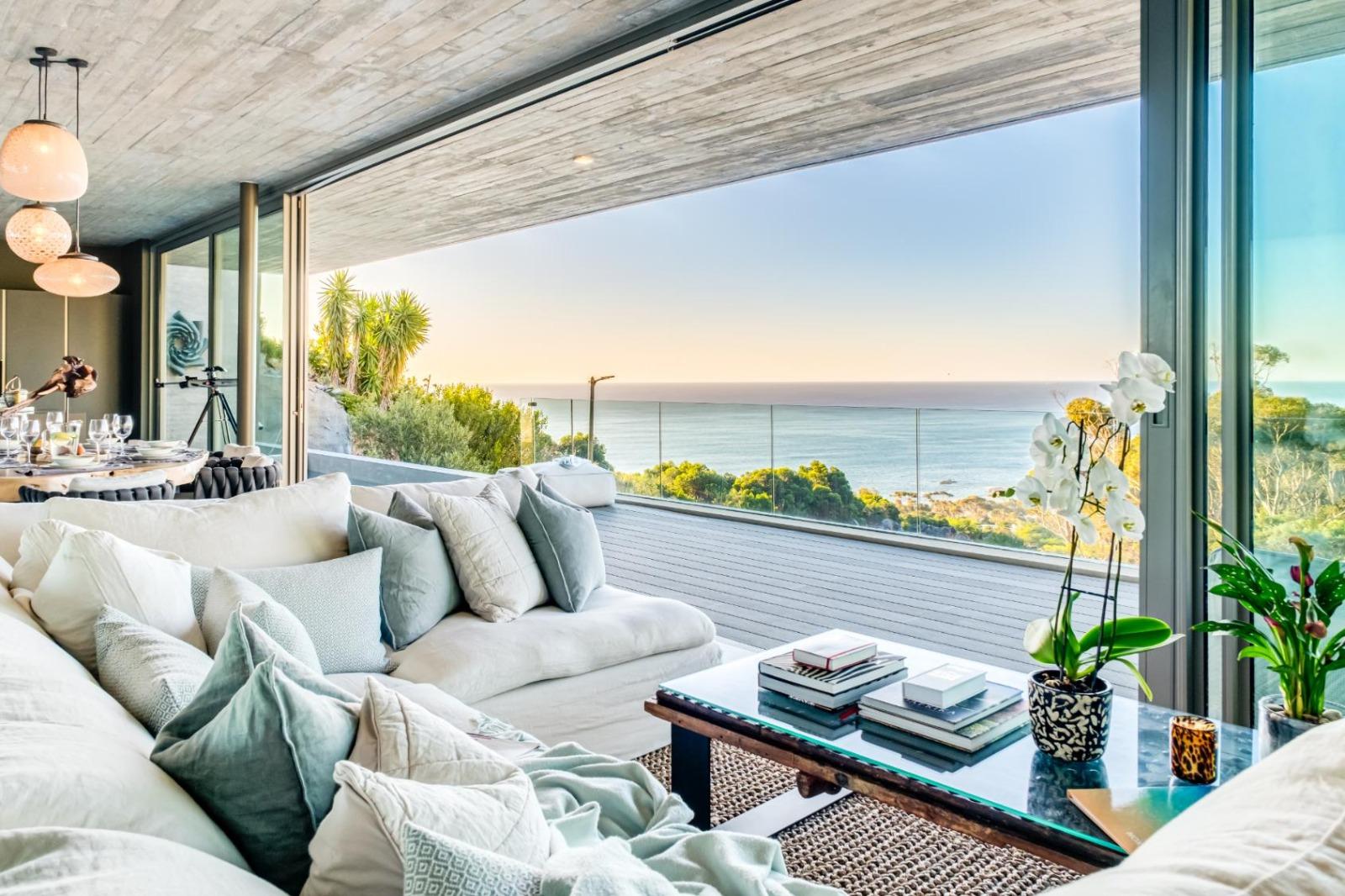
To make the most of your Cape Town beach adventure, Nox Rentals offers a carefully curated selection of holiday homes and apartments across the city, ensuring comfort, style, and convenience no matter which beach you choose to explore.
Frequently Asked Questions about Cape Town Beaches
Which Cape Town beaches have the warmest water for swimming?
For warmer water, head to the False Bay side of the peninsula. Beaches like Muizenberg and Fish Hoek have significantly higher water temperatures (often reaching 20°C+) compared to the Atlantic Seaboard (which averages 14°C), making them much more comfortable for swimming.
Are there specific rules I should follow at Cape Town beaches?
Yes. To keep beaches safe, the City of Cape Town prohibits alcohol, glass containers, fires, and fireworks. Overnight camping and loud amplified music are also not allowed. Fishing is restricted near swimming areas and tidal pools to protect bathers.
Which beach is best for seeing penguins?
Boulders Beach in Simon's Town is the premier location to see African Penguins. It features protected boardwalks for viewing the colony and a sheltered swimming area where you might encounter penguins in the water. A conservation fee is required for entry.
Where can I go surfing as a beginner in Cape Town?
Muizenberg is widely considered the best place for beginners due to its long, gentle break and sandy bottom. Big Bay in Blouberg is also popular for its amenities and surf-friendly environment. Both areas have multiple surf schools offering lessons and gear rentals.
Which beaches offer protection from the wind?
The Clifton beaches (1st through 4th) are famous for being sheltered from the southeasterly wind by the mountain and boulders. Llandudno and Bantry Bay are also excellent choices if you want to avoid being sandblasted on a windy day.
Is there a shark safety system in place?
Yes, particularly on the False Bay side. Fish Hoek has a shark exclusion net deployed daily in summer. Additionally, the Shark Spotters program monitors popular beaches like Muizenberg; always look for the flag system (e.g., a green flag means spotting conditions are good and no sharks have been seen).